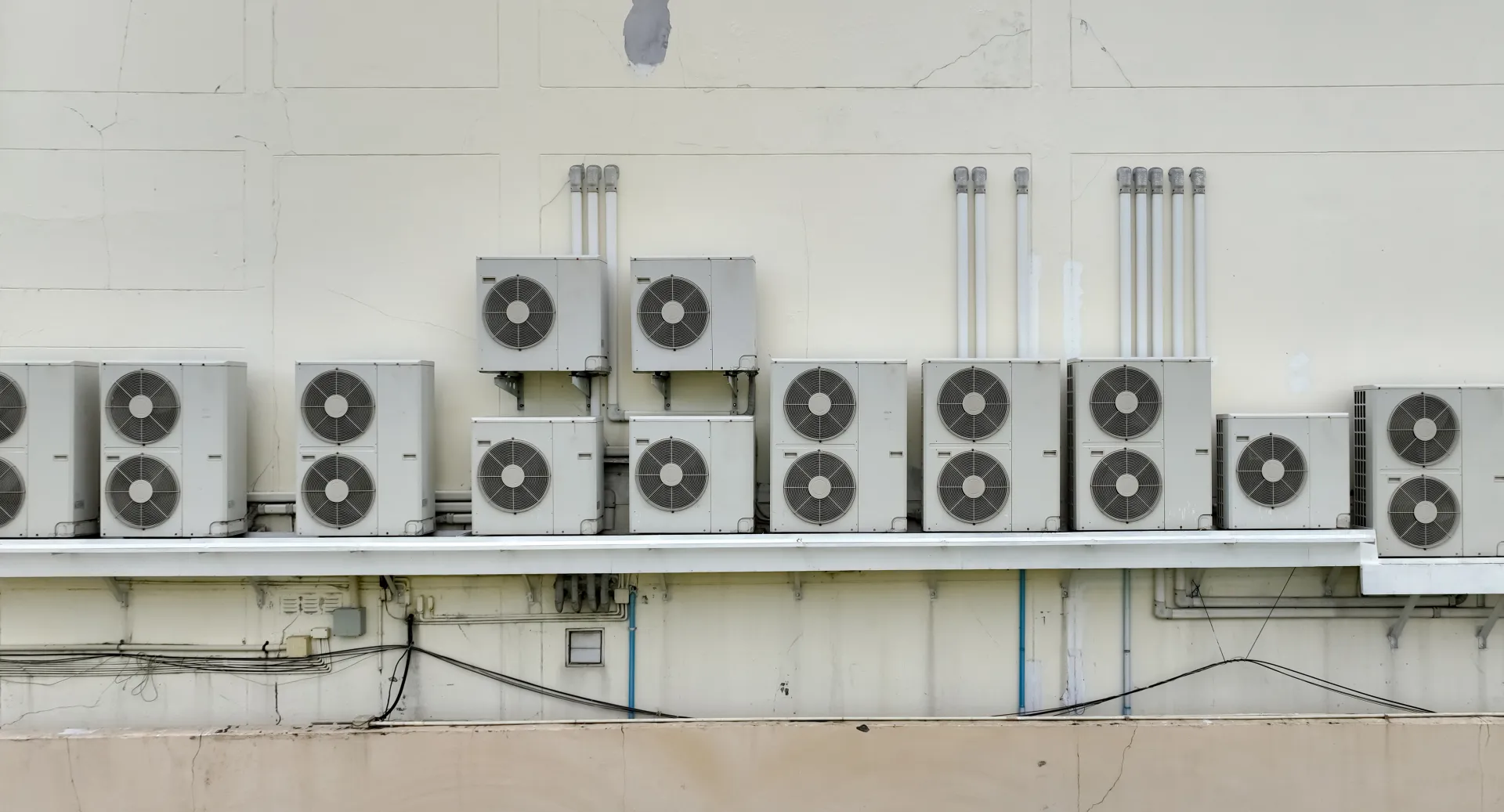
Refrigerant Management For Commercial HVAC
Comprehensive guide to refrigerant handling, compliance, and management for commercial HVAC systems and environmental regulations.
Navigating Refrigerant Regulations and Best Practices
Proper HVAC refrigerant management commercial Toronto buildings require is critical for refrigerant compliance commercial buildings GTA owners must maintain, covering system efficiency, and operational cost control. With evolving regulations phasing out high-GWP refrigerants, property managers must stay informed about refrigerant types, handling procedures, and documentation requirements. This guide provides comprehensive information for managing refrigerants in commercial HVAC systems. For current Canadian federal refrigerant regulations, refer to Environment and Climate Change Canada.
Understanding Refrigerant Types and Environmental Impact
Refrigerants are classified by their chemical composition and environmental impact, measured by Ozone Depletion Potential (ODP) and Global Warming Potential (GWP). Effective refrigerant management requires understanding common types. R-410A refrigerant replacement commercial Toronto contractors are increasingly being asked to perform as regulations tighten — it has zero ODP but significant GWP, while R-134A is commonly found in chillers and commercial refrigeration. Newer alternatives like R-32 and R-454B offer lower GWP but require different handling procedures and equipment modifications. Understanding HVAC regulations compliance helps property managers stay current with phaseout schedules.
The Environmental Protection Agency (EPA) Significant New Alternatives Policy (SNAP) program continuously evaluates and approves alternative refrigerants with improved environmental profiles. Stay informed about phaseout schedules for high-GWP refrigerants under the AIM Act, which mandates reduction of HFC production and consumption. In Canada, the federal government has implemented parallel HFC phasedown regulations under the Canadian Environmental Protection Act that align with the Kigali Amendment to the Montreal Protocol. Plan for equipment retrofits or replacements as required refrigerants become unavailable or prohibitively expensive.
TSSA refrigerant handling certification Ontario requires that technicians working on refrigeration systems maintain proper credentials. Document refrigerant types for each piece of equipment in your HVAC inventory, including system charge amounts, oil types, and specific refrigerant codes. This information proves essential for leak rate calculations, purchasing replacement refrigerant, and planning future conversions to alternative refrigerants mandated by regulation.
For GTA condo buildings and multi-unit residential towers, refrigerant management involves a diverse range of equipment types. A typical high-rise may contain R-410A in rooftop make-up air units, R-134a in centrifugal chillers, and various refrigerants across dozens or even hundreds of individual fan coil units.
VRF systems, which are increasingly popular in luxury condo developments across the Greater Toronto Area, use significant refrigerant charges distributed through extensive piping networks that run vertically through the building. Property managers and condo boards must work with their HVAC contractors to maintain a comprehensive refrigerant inventory that accounts for every piece of equipment, from the central plant chillers in the mechanical penthouse to the split systems serving amenity spaces like fitness centres and party rooms.
EPA Section 608 Certification and Compliance
Anyone handling refrigerants must possess EPA Section 608 certification appropriate to the equipment type and refrigerant class. Certification types include Type I for small appliances, Type II for high-pressure appliances, Type III for low-pressure appliances, and Universal certification covering all types. Verify that all maintenance technicians and contractor personnel maintain current certification and keep copies on file.
In Ontario, technicians working with refrigerants must hold an Ozone Depleting Substances (ODS) certificate issued under the Environmental Protection Act, in addition to any federal requirements. The Technical Standards and Safety Authority (TSSA) also regulates refrigeration systems in the province, requiring that equipment above certain capacity thresholds be registered and inspected by licensed refrigeration contractors. For GTA condo buildings, this means that any HVAC vendor performing refrigerant work on chillers, rooftop units, or VRF systems must demonstrate both ODS certification and appropriate TSSA licensing. Condo boards and property management companies should verify these credentials before authorizing any refrigerant-related service work, and maintain copies of current certifications in the building's compliance files alongside WSIB clearance certificates.
Refrigerant handling requirements prohibit venting refrigerants to the atmosphere. Use recovery equipment that meets EPA standards for the specific refrigerant type and system size. Recover refrigerant during service, repair, or disposal of equipment, following established procedures for different refrigerant categories. Maintain recovery machines in proper working condition and verify evacuation capability regularly. When refrigerant leaks occur in commercial HVAC systems, prompt response from commercial HVAC repair technicians minimizes both regulatory exposure and refrigerant loss.
Document all refrigerant transactions including recovery, recycling, and recharging activities. Maintain records showing refrigerant added to systems, recovered during service, and transferred to certified reclamation facilities. These records support compliance reporting and leak rate calculations required for systems containing 50 pounds or more of refrigerant.
Leak Detection and Repair Requirements
Refrigerant leak testing commercial buildings GTA regulations mandate is required for any system containing 50 pounds or more of refrigerant. Systems with charges exceeding 500 pounds face more stringent monitoring and reporting requirements. Conduct regular leak inspections using approved methods including electronic leak detectors, ultrasonic detectors, or bubble solutions.
Calculate annualized leak rates by comparing the amount of refrigerant added against the total system charge. Systems exceeding 35% leak rates for comfort cooling or 15% for commercial refrigeration must be repaired within 30 days. Document all leak repair attempts including methods used, refrigerant added, and verification that repairs successfully stopped leaks.
Install automatic leak detection systems in equipment rooms containing large refrigerant charges, particularly for systems using ammonia or other toxic refrigerants. These systems provide continuous monitoring and immediate alerting when refrigerant concentrations exceed safe levels, protecting building occupants from hazardous exposure.
In GTA high-rise condo buildings, leak detection is particularly important for VRF systems where refrigerant piping runs through occupied suites and common corridors. The Ontario Building Code and CSA B52 Mechanical Refrigeration Code require refrigerant detection in occupied spaces where refrigerant charge concentration could exceed safe limits if a leak occurred. Building automation systems (BAS) from manufacturers like Honeywell and Siemens can integrate refrigerant sensors with the building's ventilation controls, automatically activating exhaust fans and fresh air supply when elevated refrigerant levels are detected. For chiller plants in high-rise mechanical rooms, TSSA-registered refrigeration systems must have proper ventilation, oxygen monitoring, and emergency exhaust capabilities that comply with both CSA B52 and Ontario Fire Code requirements.
Refrigerant Recovery and Reclamation
Implement proper refrigerant recovery procedures during all servicing activities. Use recovery machines sized appropriately for system capacity and refrigerant type. Follow manufacturer specifications for recovery rates and pressures, ensuring complete removal before opening systems for service. Recovered refrigerant must be processed through filter-driers to remove contaminants and moisture before reuse in the same system or other equipment owned by the same entity.
Establish relationships with certified refrigerant reclamation facilities that can process refrigerant to AHRI Standard 700 specifications. Send contaminated or mixed refrigerants to these facilities rather than attempting to reuse them in systems. Reclaimed refrigerant meets the same purity standards as new virgin refrigerant and can be returned to your inventory for reuse.
Track refrigerant inventory using a cylinder management system that records quantities received, dispensed, and transferred off-site. Label all refrigerant cylinders clearly with refrigerant type, quantity, and condition (recovered, reclaimed, virgin). Prevent refrigerant mixing by using dedicated cylinders for each refrigerant type and never transferring refrigerant between systems using different types.
GTA condo buildings with centralized mechanical rooms should designate secure, ventilated storage areas for refrigerant cylinders that comply with Ontario Fire Code requirements and WHMIS labelling standards. In multi-unit residential towers, refrigerant storage often shares space with other mechanical equipment, so proper segregation from ignition sources and adequate ventilation are essential safety measures.
Property management companies overseeing several buildings across the Greater Toronto Area benefit from centralized refrigerant tracking systems that aggregate inventory data across their entire portfolio, enabling more efficient purchasing, better compliance oversight, and faster identification of buildings with above-average refrigerant consumption that may indicate developing leak issues. Digital tracking platforms can automatically flag when refrigerant additions to a specific system exceed normal top-up amounts, triggering proactive leak investigation before the annualized leak rate reaches regulatory thresholds.
Recordkeeping and Reporting Requirements
Maintain comprehensive records of all refrigerant management activities to demonstrate environmental compliance during inspections. Required documentation includes service records showing refrigerant added and recovered, leak test results, repair documentation, and technician certifications. Keep records for at least three years and organize them by equipment for easy retrieval during compliance audits. Pairing recordkeeping with a service from our energy audit services team identifies additional opportunities to reduce refrigerant consumption through improved system efficiency.
Systems with charges exceeding established thresholds must submit annual reports to the EPA documenting refrigerant usage and leak rates. These reports require accurate calculation of annualized leak rates based on total charge amount and refrigerant added throughout the year. Use automated tracking systems to ensure accuracy and simplify report preparation.
Develop refrigerant management plans that outline procedures for handling, tracking, and reporting refrigerant usage across your portfolio. These plans should include leak inspection schedules, response protocols for exceeding leak rate thresholds, and procedures for refrigerant recovery during equipment disposal. Train all maintenance staff on plan requirements and their role in maintaining compliance.
Equipment Disposal and Refrigerant Recovery
Proper refrigerant recovery is mandatory before disposing of HVAC equipment. Recover all refrigerant to the required evacuation levels based on equipment type and refrigerant category. Document recovery amounts and methods, maintaining records for compliance verification. Never release refrigerant to atmosphere during equipment disposal, even for small remaining quantities.
Work with qualified scrap dealers and recycling facilities that verify refrigerant recovery before processing equipment. Obtain documentation showing refrigerant was properly recovered and either reclaimed or destroyed according to regulations. This documentation protects your facility from liability for improper disposal.
Consider refrigerant recovery during equipment replacement projects as an opportunity to capture value. Reclaimed refrigerant can be reused in other systems, reducing new refrigerant purchases. Ensure recovered refrigerant is tested and reclaimed to proper specifications before returning to service to prevent system contamination.
Planning for Refrigerant Transitions
Anticipate regulatory transitions away from current refrigerants to lower-GWP alternatives. Evaluate equipment compatibility with alternative refrigerants and plan for phased replacements as systems reach end of life. Consider retrofit options where equipment can be converted to acceptable alternatives, though complete replacement often proves more economical and reliable.
Budget for refrigerant transition costs including new equipment, technician training, and potential system modifications. Factor in the likelihood that replacement refrigerants may cost more initially and have different performance characteristics. Plan for potential efficiency differences and capacity variations when selecting alternative refrigerant equipment.
Stay informed about developing refrigerant technologies and regulatory changes through industry publications, trade associations, and EPA communications. Participate in industry discussions about emerging alternatives and implementation strategies. Early planning prevents rushed decisions and ensures smooth transitions when regulatory deadlines approach.
For GTA condo corporations, refrigerant transition planning must be integrated with the reserve fund study process mandated by the Ontario Condominium Act. When reserve fund engineers assess the remaining useful life of chillers, rooftop units, and VRF systems, they should factor in refrigerant availability timelines alongside equipment condition. A chiller using R-123 may have ten years of mechanical life remaining, but if the refrigerant becomes unavailable or prohibitively expensive due to phasedown regulations, the effective replacement timeline accelerates significantly.
Condo boards should work with their HVAC contractors and reserve fund planners to develop equipment replacement schedules that align with refrigerant phasedown milestones, ensuring adequate funding is in place well before emergency replacements become necessary. Property management companies overseeing multiple GTA buildings can leverage portfolio-wide purchasing strategies to secure refrigerant supply agreements and negotiate favourable pricing on replacement equipment from manufacturers like Carrier, Trane, and Daikin.
Refrigerant Management Statistics
Emissions Reduction Required
AIM Act mandates HFC production and consumption reduction
Leak Rate Threshold
Comfort cooling systems must be repaired when exceeding this rate
Pounds Threshold
Systems containing 50+ pounds require leak monitoring and reporting
Daily Fine Potential
Non-compliance can result in significant EPA penalties per violation
Key Takeaways
- Regulatory Compliance: Maintain current EPA Section 608 certifications and follow all refrigerant handling requirements to avoid penalties.
- Leak Management: Implement regular leak detection and prompt repair procedures to maintain compliance and reduce refrigerant purchases.
- Comprehensive Documentation: Keep detailed records of all refrigerant transactions and maintain them for at least three years.
- Future Planning: Plan for refrigerant transitions by evaluating equipment compatibility and budgeting for required upgrades.
Related Topics
HVAC Emergency Preparedness
Plan for refrigerant releases and other HVAC emergencies.
HVAC Sustainability
Environmental strategies for commercial building HVAC systems.
HVAC Maintenance Best Practices
Proper maintenance reduces refrigerant leaks and improves efficiency.
Commercial HVAC Energy Audits
Evaluate system performance and identify improvement opportunities.
Need Help with Refrigerant Compliance?
Our experts can help you implement compliant refrigerant management programs and prepare for regulatory transitions.
Schedule Consultation