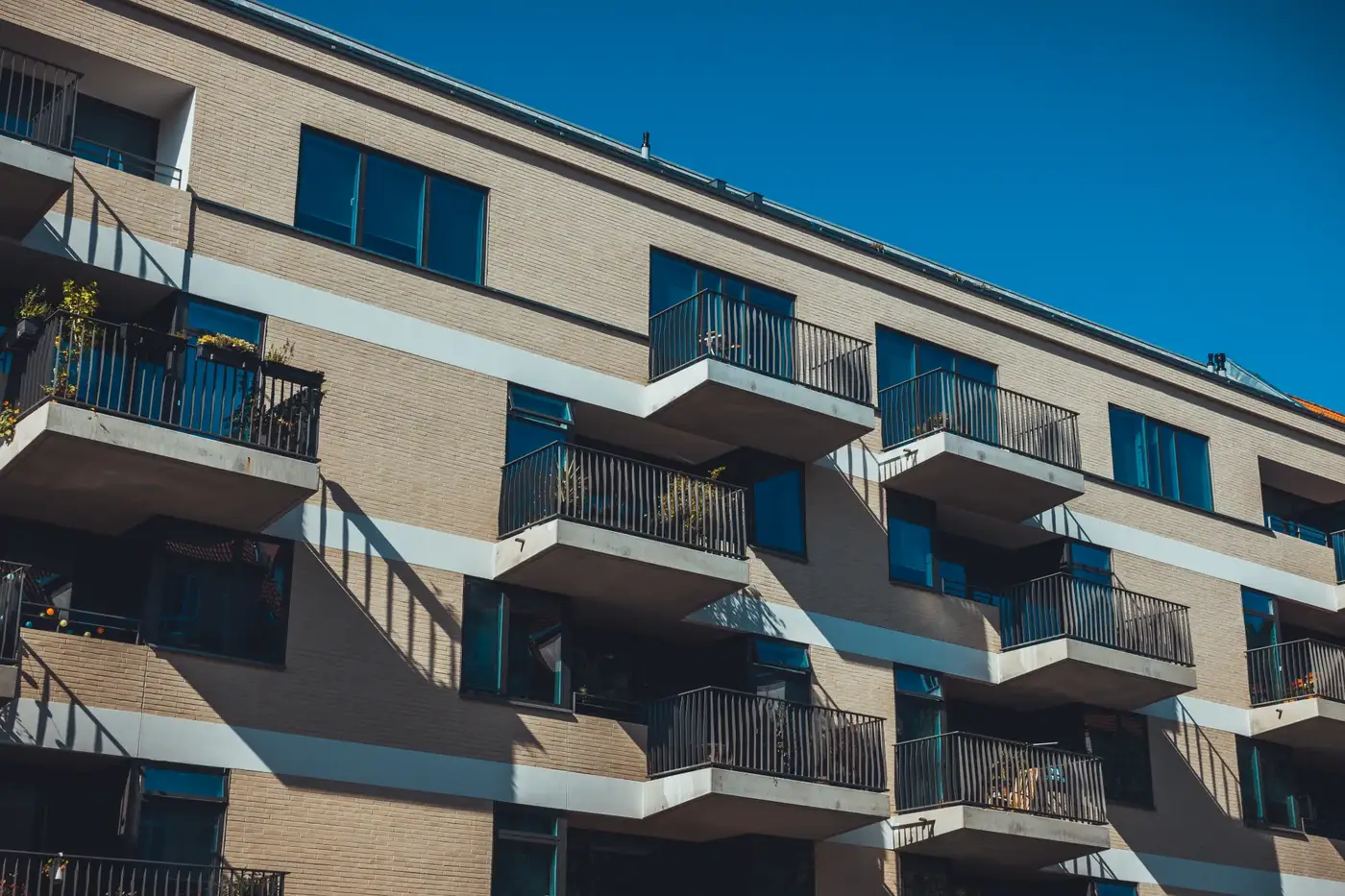
Condo Renovation HVAC & Mechanical
Complete HVAC and mechanical planning, permitting, and installation for condominium renovation projects across Toronto and the Greater Toronto Area.
HVAC Planning for Condo Renovation Projects
Renovating a condominium suite in Toronto or the GTA involves careful coordination between multiple trades, and HVAC is one of the most critical mechanical systems that must be properly planned before any demolition or construction begins. Whether you are updating a kitchen, redesigning a bathroom, opening up walls to create an open-concept layout, or undertaking a complete gut renovation, the heating, cooling, and ventilation systems in your suite will almost certainly be affected. Failing to account for HVAC requirements early in the planning process leads to costly delays, change orders, and compromised comfort in the finished space.
Navigating the condo board approval process is an essential part of any renovation involving mechanical systems. Most corporations require stamped mechanical drawings, proof of permits, and licensed contractor credentials before authorizing HVAC modifications. HVAC Touch manages this documentation from start to finish. All mechanical work complies with the TSSA and applicable Ontario Building Code requirements. Learn about HVAC system upgrades available during renovation, and explore our indoor air quality solutions to complement your renovation investment.
HVAC Touch provides comprehensive condo renovation HVAC services that begin at the design stage and continue through final commissioning. We work directly with condo owners, general contractors, interior designers, and architects to ensure that mechanical systems are integrated into the renovation plan from the outset. Our early involvement prevents the common scenario where HVAC considerations are treated as an afterthought, discovered only when a contractor opens a wall and finds fan coil piping, ductwork, or control wiring running through the area they planned to modify. Our property management HVAC team coordinates renovation projects with building staff to maintain compliance throughout.

Full-Scope Renovation HVAC Expertise
Our renovation HVAC expertise covers every aspect of condominium mechanical systems: fan coil relocation and replacement, ductwork modifications, hydronic piping rerouting, and thermostat and control system upgrades. We also handle bathroom exhaust ventilation, kitchen range hood venting, and the addition of supplemental systems such as ductless mini-splits. We coordinate all mechanical work with the renovation timeline to ensure that HVAC trades are on site at the right time, avoiding conflicts with other trades and minimizing overall project duration.

Why Early HVAC Planning Matters for Your Renovation
In a condominium building, HVAC systems are interconnected with the building's central infrastructure. Your suite's fan coil unit connects to the building's hydronic distribution risers that serve every unit on your stack. Bathroom exhaust connects to a shared vertical duct that serves multiple floors. Moving or modifying these connections requires engineering review, building management coordination, and often a temporary shutdown of shared systems that affects other residents.
HVAC Touch brings the mechanical expertise needed to identify these interdependencies early and plan around them. During our initial consultation, we review the renovation scope, examine existing mechanical drawings where available, and perform an in-suite assessment of current HVAC equipment and routing. We then develop a mechanical plan that accommodates the renovation design while maintaining compliance with the Ontario Building Code and the condominium corporation's rules.
GTA Renovation Service Areas
Properties in established GTA neighbourhoods like the St. Lawrence Market area, Rosedale, Forest Hill, Bayview Village, and the Bloor West corridor frequently undergo high-end suite renovations that demand precision HVAC coordination. Newer buildings in emerging areas such as the East Bayfront, Canary District, and Regent Park redevelopment zone also see significant renovation activity as owners customize builder-standard suites to their preferences. HVAC Touch serves renovation projects across all of these areas and throughout the broader GTA.

Types of Condo Renovation HVAC Work
Fan Coil Relocation
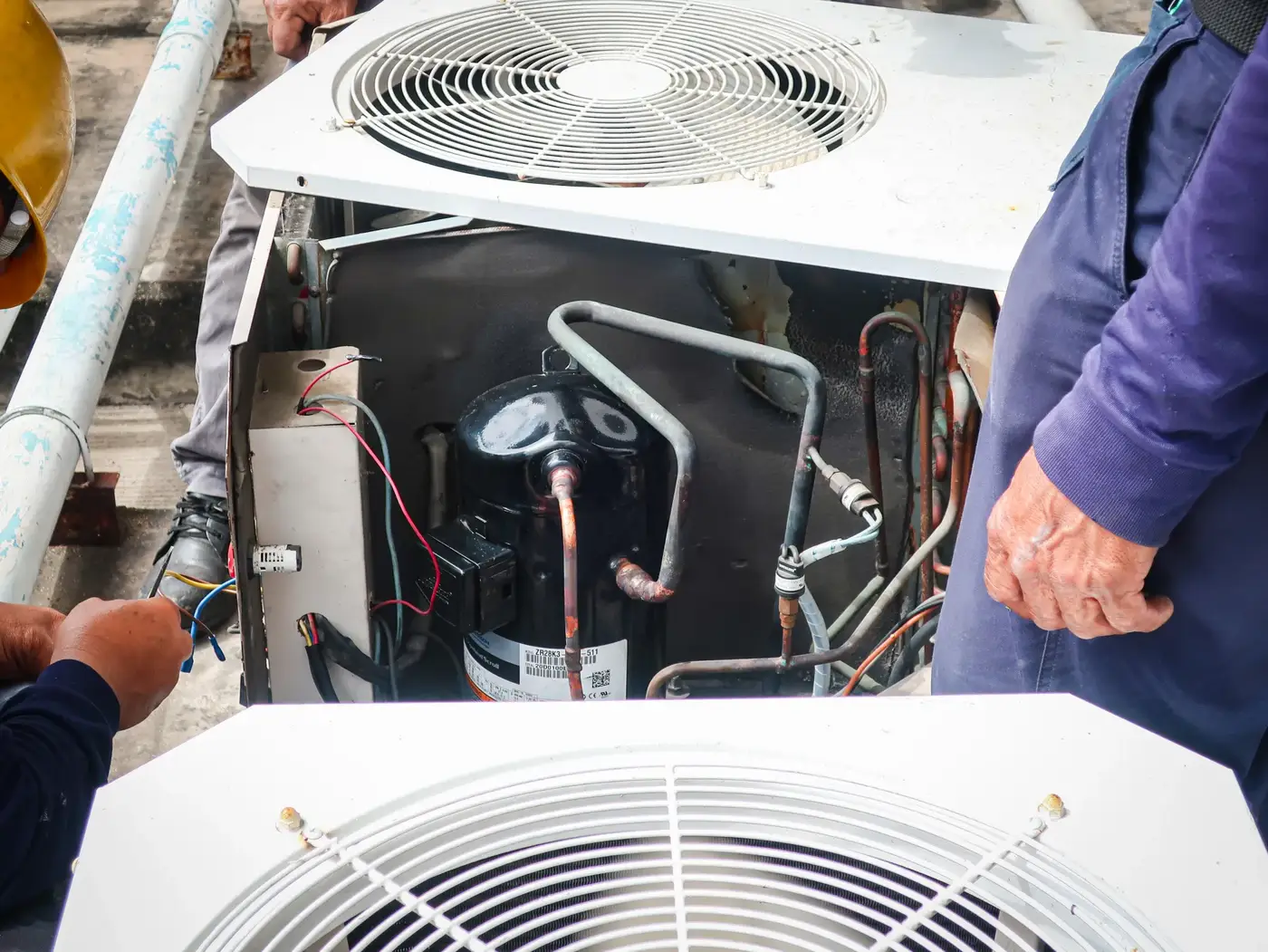
When a renovation changes the layout of a condo suite, the existing fan coil unit often needs to be relocated to accommodate new wall positions, cabinetry, or built-in features. Fan coil relocation involves disconnecting the unit from the building's hydronic risers, rerouting supply and return piping to the new location, reinstalling the unit, and reconnecting all piping, condensate drainage, and electrical and control wiring.
Ductwork Modifications
Condominiums with ducted HVAC systems may require ductwork modifications when walls are moved, rooms are combined, or new spaces are created during a renovation. This includes extending supply ducts to serve newly configured rooms, adding return air pathways, modifying duct routing, and rebalancing the system to ensure proper airflow distribution.
Adding Ductless Systems
Many condo renovations include adding a ductless mini-split system to provide air conditioning in suites that currently have only heating, or to add supplemental cooling to areas not adequately served by existing equipment. Integrating a ductless system during a renovation is more efficient because walls are already open and other trades can coordinate seamlessly.
Bathroom Exhaust Upgrades
Bathroom renovations frequently require modifications to the exhaust ventilation system. Upgrading to a more powerful exhaust fan, relocating the exhaust grille to accommodate a new ceiling design, or adding exhaust to a newly created bathroom all require careful integration with the building's shared ventilation infrastructure and Ontario Building Code compliance.
Kitchen Range Hood Venting
Kitchen renovations that include a new range hood installation often require new or modified venting to the building's kitchen exhaust system. HVAC Touch installs range hood ducting including fire dampers and backdraft dampers required by the Ontario Building Code, sizing and routing ductwork to maintain adequate exhaust flow rates while minimizing noise.
System Conversions
Some condo renovations include converting from one HVAC system type to another, such as replacing electric baseboard heaters with a ducted forced-air system, transitioning from a fan coil to a <a href='/services/condo-heat-pump-repair/' title='Condo heat pump repair' aria-label='Condo heat pump repair'>heat pump system</a>, or adding radiant in-floor heating. These conversions require engineering assessment to ensure the building's infrastructure supports the new system.
Permits, Engineering, and Condo Board Approval
Building Permits and Ontario Building Code: Condo renovation projects that involve modifications to HVAC systems may require building permits from the local municipality. In Toronto, the City of Toronto Building Division issues permits for mechanical work that includes changes to heating, cooling, or ventilation systems that affect life safety, fire protection, or building code compliance. Common renovation activities that trigger permit requirements include adding new ductwork or modifying existing duct routing, installing new exhaust ventilation, relocating gas appliances, and modifying fire damper installations.
The Ontario Building Code (OBC) establishes the minimum standards for HVAC installations in residential buildings. For condominium renovations, relevant OBC sections include Part 6 (Heating, Ventilating and Air-Conditioning), Part 9 (Housing and Small Buildings), and Part 3 (Fire Protection, Occupant Safety and Accessibility) for high-rise buildings. Our mechanical designs and installations comply with all applicable OBC requirements, and we prepare the technical drawings and specifications needed for building permit applications when required.
TSSA Registration & Gas Work Compliance
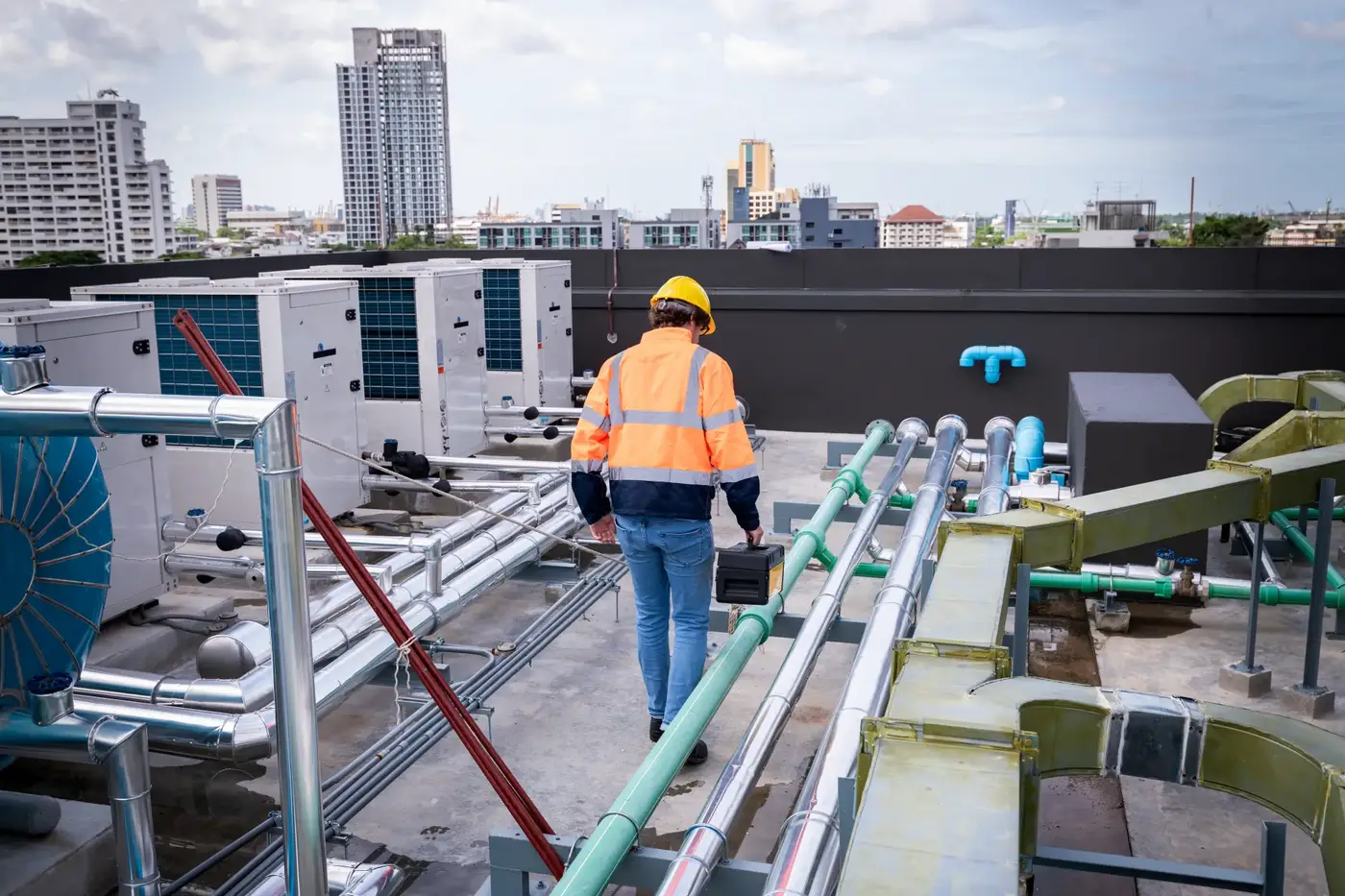
For gas-fired HVAC equipment, the Technical Standards and Safety Authority (TSSA) governs all installation, modification, and service activities in Ontario. Any renovation work that involves gas piping, gas appliances, or venting for gas-fired equipment must be performed by a TSSA-registered contractor employing G2 or G3 licensed gas fitters. HVAC Touch maintains current TSSA registration and employs licensed gas technicians for all gas-related renovation work, including boiler connections, gas fireplace installations, and gas range venting.

Condo Board Approval Process
Condominium corporations require unit owners to obtain written approval before undertaking renovations that affect mechanical systems, common elements, or the building structure. The approval process varies between buildings but typically involves submitting a renovation application package that includes detailed scope of work descriptions, contractor credentials and insurance documentation, engineering drawings where applicable, and a timeline indicating when different trades will be performing work on site.
HVAC Touch prepares the mechanical component of renovation submission packages, providing the technical documentation that property managers and engineering consultants need to evaluate the proposed HVAC work. Our submissions include detailed mechanical drawings showing existing and proposed equipment locations, piping and duct routing, connection points to building infrastructure, and specifications for all new equipment. We include our WSIB clearance certificate, certificate of insurance with the condominium corporation named as additional insured, and TSSA registration documentation where gas work is involved.
Engineer Reviews for Premium Buildings
For complex renovations in premium buildings along the Bridle Path, in Rosedale, or in luxury waterfront towers, the condo corporation may require a professional engineer's review of the proposed mechanical modifications. HVAC Touch works with licensed mechanical engineers who specialize in condominium building systems to provide stamped engineering drawings and letters of compliance when required by the building's rules or the municipality's permit process.
Get Expert Renovation HVAC Guidance Today
Contact HVAC Touch early in your planning process for expert mechanical consultation and professional HVAC coordination with your renovation project.
Insurance, Safety, and Contractor Coordination
Insurance and Liability Coverage
Condominium corporations require renovation contractors to carry comprehensive general liability insurance, typically with minimum coverage of two million dollars, along with current WSIB clearance. HVAC Touch maintains insurance coverage that meets or exceeds the requirements of every GTA condominium corporation we work in. Our policy covers property damage, bodily injury, and professional liability arising from our HVAC installation and service activities.
Coordination with General Contractors
Successful condo renovations require precise coordination between HVAC, plumbing, electrical, drywall, painting, and finishing trades. HVAC Touch integrates seamlessly with general contractors managing condo renovation projects across the GTA. We provide detailed mechanical schedules identifying when our trades need access, what prep work must be completed, and what other trades should hold off on until our installations are complete.
Noise and Scheduling Considerations
Working in an occupied condominium building requires adherence to the building's noise bylaws, permitted work hours, elevator booking requirements, and loading dock scheduling. Most GTA condominium buildings restrict renovation work to weekday hours between 9:00 AM and 5:00 PM, with no work on weekends or statutory holidays. HVAC Touch schedules work within these constraints and coordinates with building management.
Kitchen Renovation HVAC Solutions
Kitchen renovations are among the most common condo renovation projects and frequently involve HVAC modifications. Typical HVAC requirements during a kitchen renovation include relocating a fan coil unit installed inside a kitchen bulkhead, installing or upgrading a range hood with proper exterior venting, and modifying supply air duct routing to accommodate new ceiling designs. Adding supplemental cooling for kitchens with high-output cooking appliances is also common. Open-concept kitchen designs that remove the wall between kitchen and living area can affect air distribution patterns. This requires rebalancing the HVAC system to maintain even temperatures throughout the reconfigured space.
For high-end kitchen renovations in luxury condominiums along the Yorkville corridor, in Forest Hill, or in waterfront towers, we install commercial-grade range hood exhaust systems with dedicated exterior venting and properly sized makeup air provisions to prevent negative pressure issues. All duct systems are fire-rated to comply with Ontario Building Code requirements for cooking exhaust in residential occupancies.
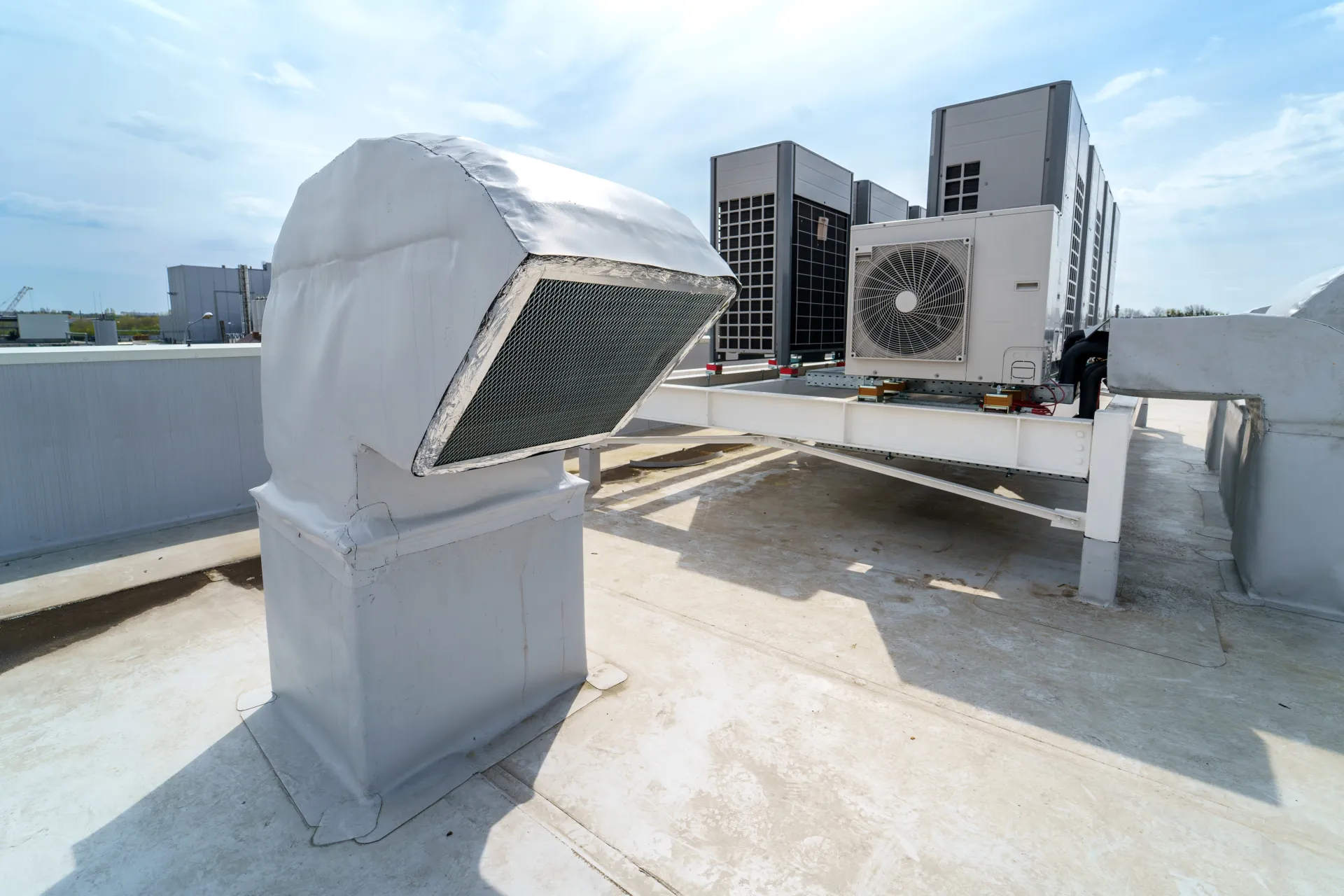
Bathroom Renovation HVAC Requirements
Bathroom Renovation: Bathroom renovations typically require exhaust fan replacement or upgrade, exhaust duct rerouting to accommodate new ceiling layouts, and in some cases the addition of radiant in-floor heating beneath new tile floors. When bathrooms are relocated or expanded during a renovation, new exhaust ventilation connections to the building's vertical exhaust riser must be established, including fire dampers at the connection point as required by the Ontario Building Code. HVAC Touch sizes bathroom exhaust systems to meet OBC requirements for ventilation rates in wet areas, ensuring adequate moisture removal to prevent mould growth and condensation damage. We install energy-efficient, low-noise exhaust fans with humidity sensing controls that activate automatically when bathroom moisture levels rise.
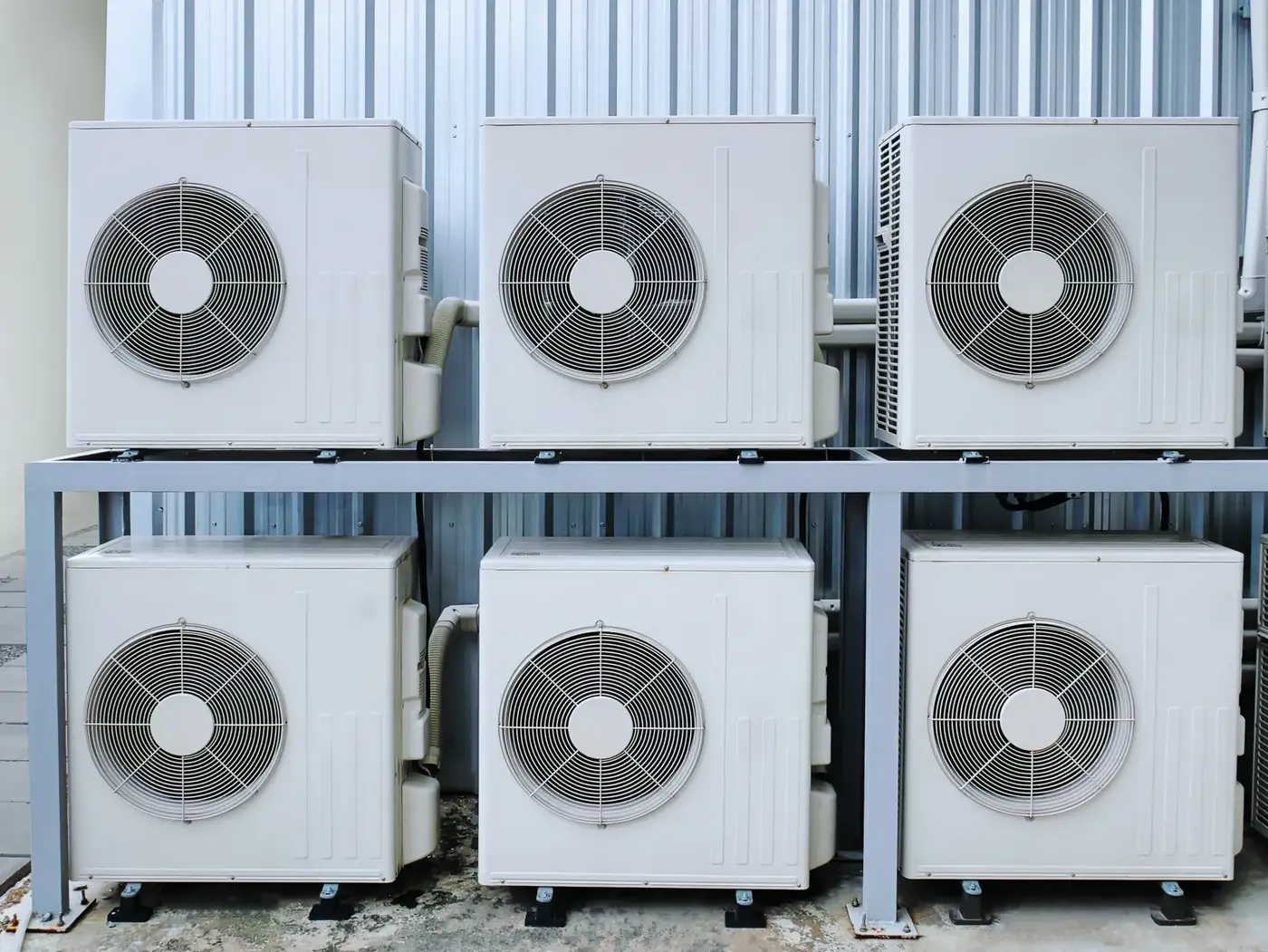
Combining Units: HVAC Engineering Challenges
Combining Units: Combining two adjacent condo suites into a single larger unit is a significant renovation that creates substantial HVAC challenges. Each original suite typically has its own independent fan coil unit, thermostat, and connections to the building's hydronic risers. After combining, the owner typically wants a single, unified HVAC system for the merged space. This may require replacing two smaller fan coils with one larger unit, rerouting ductwork into a single distribution system, and consolidating thermostatic controls.
Unit combination projects in buildings across North York, Etobicoke, and downtown Toronto require particularly careful engineering because the combined suite's HVAC load may exceed the capacity originally allocated to either individual unit on the building's hydronic distribution system. HVAC Touch works with mechanical engineers to assess the building's system capacity and design a solution that meets the combined suite's heating and cooling requirements without negatively affecting other units on the same riser.

Converting from Baseboard to Forced Air or Ductless
Many older GTA condominium buildings, particularly those built in the 1960s through 1980s in established neighbourhoods like Don Mills, Thorncliffe Park, and St. James Town, provide heating through electric baseboard heaters or hydronic baseboard radiators with no provision for air conditioning. Converting from baseboard heating to a ducted forced-air system during a renovation provides the owner with both heating and cooling from a single system, along with improved air filtration and distribution.
This type of conversion is a major undertaking that requires ductwork installation throughout the suite and an air handler or fan coil unit large enough to serve the entire space. Careful design is needed to fit ductwork within available ceiling or bulkhead space without reducing room heights below Ontario Building Code minimums. An alternative approach that avoids ductwork entirely is installing a ductless mini-split system with multiple indoor units to provide zone-controlled heating and cooling throughout the suite.
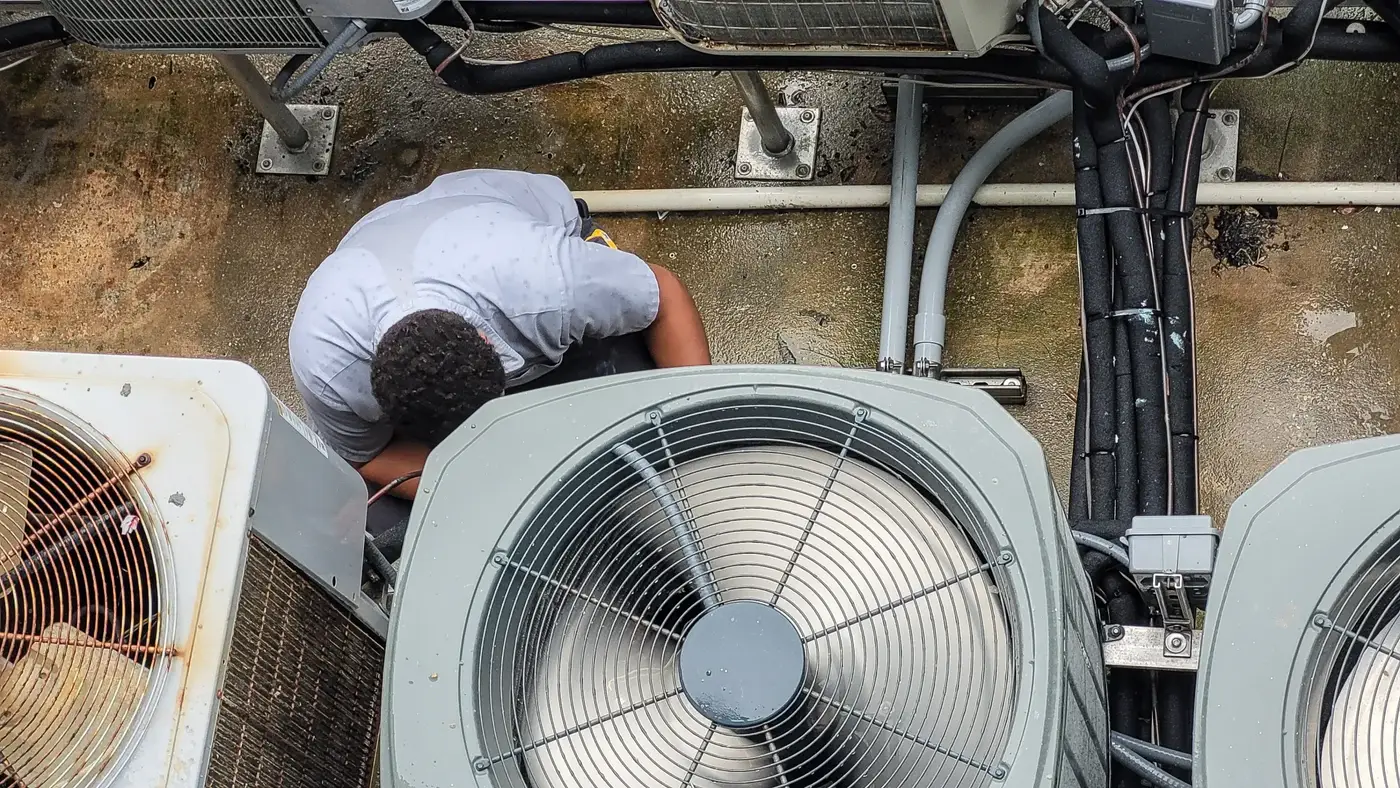
Our Condo Renovation HVAC Process: Steps 1 & 2
Step 1 - Consultation and Assessment: We meet with you and your contractor to review the renovation design, assess existing HVAC systems, identify mechanical conflicts, and develop solutions that integrate with the overall project plan. This step prevents costly surprises later in the construction process.
Step 2 - Design and Documentation: We prepare detailed condo HVAC permit drawings, equipment specifications, and installation schedules. For condo board submissions, we assemble the complete documentation package including contractor credentials, insurance certificates, and engineering details where required. Review our maintenance best practices blog for tips on sustaining your renovated systems long-term.
Installation, Commissioning & Handover: Steps 3 & 4
Step 3 - Installation and Coordination: Our technicians execute the mechanical work according to the approved plan, coordinating with other trades and building management to maintain schedule and minimize disruption to other residents. All work is performed within the building's permitted hours.
Step 4 - Commissioning and Handover: After installation is complete, we test all systems for proper operation, balance airflow distribution, verify thermostat calibration, and provide the owner with operating instructions and maintenance recommendations. We arrange any required inspections and close out permits.
Frequently Asked Questions About Condo Renovation HVAC
Common questions about our HVAC services answered by our expert team.
It depends on the scope of work. Replacing a fan coil unit in its existing location, changing a thermostat, or performing maintenance does not typically require a building permit. However, adding new ductwork, modifying exhaust ventilation connections, installing new gas equipment, or making changes that affect fire dampers or life safety systems generally do require a permit from the City of Toronto or the applicable local municipality. Gas work always requires TSSA notification and may require a gas permit. HVAC Touch assesses permit requirements as part of our initial consultation and manages the permit application process when required.
Ideally, HVAC Touch should be consulted during the design phase, before demolition begins. This allows us to identify mechanical systems that may be affected by the proposed layout changes, plan equipment relocations or upgrades, and coordinate our work with the overall renovation schedule. Early involvement prevents the most common renovation problem we see: a contractor discovers HVAC piping, ductwork, or wiring running through a wall or ceiling they planned to remove, causing expensive delays and design changes. At minimum, we should review the renovation plans before the demolition phase to flag potential conflicts.
Yes, fan coil units can be relocated within a condo suite, but the new location must provide adequate access for service and maintenance, proper condensate drainage, and a viable path for piping connections to the building's hydronic risers. The relocation will require a temporary shutdown of the building's hydronic system on your riser, which must be coordinated with building management. Condo board approval is typically required for fan coil relocations, and an engineering review may be needed to verify that the revised piping layout does not adversely affect system performance for other units on the same riser. HVAC Touch handles all of these requirements as part of our relocation service.
The duration of HVAC work during a renovation depends on the scope. A straightforward fan coil relocation with piping rerouting typically takes two to three days of on-site work, spread across the renovation timeline to coordinate with other trades. Adding a ductless mini-split system during a renovation is typically a one to two day installation. Complete ductwork modifications for a gut renovation may require three to five days of on-site work over the course of the project. These timelines represent the actual HVAC labour; the work is often performed in phases to align with the overall renovation sequence, with our trades coming in after demolition and framing but before drywall closing.
We plan the renovation HVAC work to minimize the period during which your suite is without heating or cooling. For fan coil relocations, the unit is typically disconnected for the shortest possible period while piping is rerouted, and we schedule the riser shutdown during the mildest weather available. If the renovation is a complete gut that will have the suite uninhabitable for an extended period, the temporary loss of HVAC is less of a concern. For renovations where you continue living in part of the suite during construction, HVAC Touch can provide portable heating or cooling equipment to maintain comfort in occupied areas while mechanical work is performed in the renovation zone.
Related Condo HVAC Services
Fan Coil Repair
Expert fan coil diagnostics, repair, and replacement for condominium suites across the GTA.
Ductless Mini-Splits
Ductless mini-split installation and service for condominiums requiring flexible, efficient climate control.
Condo HVAC Repair
Complete HVAC repair services for condominium building systems including emergency response.
System Upgrades
HVAC system upgrades and modernization for improved efficiency, comfort, and building value.
Planning a Condo Renovation in Toronto?
Contact HVAC Touch early in your planning process for expert mechanical consultation, condo board submission support, and professional HVAC installation.