HVAC Resources & Guides
Expert articles, guides, and best practices for commercial HVAC maintenance for property managers and building engineers.
Your Source for HVAC Best Practices & Industry Insights
HVAC Touch maintains this comprehensive blog as a resource for property managers, building engineers, and facility maintenance professionals seeking expert guidance on the best HVAC knowledge base condo buildings Toronto, commercial HVAC maintenance, and property management HVAC guides GTA relevant to the Greater Toronto Area's unique climate and building landscape. For industry standards and contractor credentials, visit HRAI.
Our articles are written by experienced HVAC professionals with decades of hands-on experience servicing condominium buildings, luxury high-rises, and commercial properties throughout Toronto, Mississauga, Brampton, Markham, Vaughan, and surrounding municipalities. Find condo HVAC maintenance tips building engineers need most, or explore resources on HVAC maintenance packages, energy audit services, and indoor air quality improvements.
Regulatory Intelligence & Seasonal Maintenance Expertise
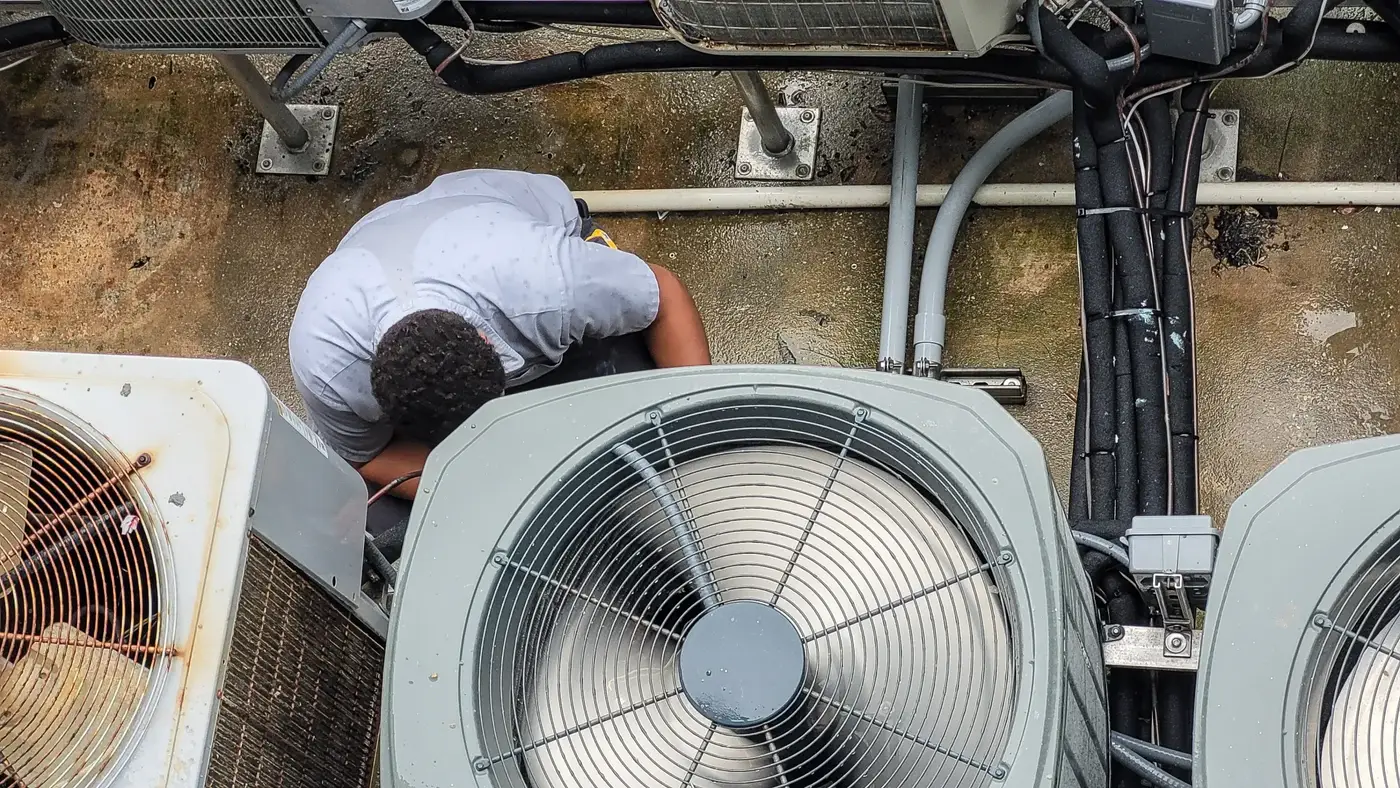
Managing HVAC systems in multi-unit residential towers across the Greater Toronto Area requires specialized knowledge that goes far beyond standard heating and cooling fundamentals. Property managers must navigate complex regulatory requirements set by the Technical Standards and Safety Authority, comply with the Ontario Building Code's ventilation and energy performance standards, and coordinate maintenance activities across buildings that may house hundreds of residents. Building engineers need detailed technical guidance on troubleshooting fan coil units, optimizing chiller plant performance, maintaining boiler systems through Ontario's harsh winters, and integrating modern building automation systems with legacy equipment. Our HVAC best practices high-rise Toronto content covers all of these technical areas in depth.
Our resource library addresses all of these needs and more. Each article is reviewed for technical accuracy by our senior engineering team and updated regularly to reflect changes in Ontario regulations, industry best practices, and emerging HVAC technologies. We cover topics ranging from seasonal maintenance checklists and energy audit preparation to capital planning for major equipment replacements and strategies for reducing a building's carbon footprint in alignment with Toronto's Green Standard requirements. Our condo HVAC troubleshooting guides GTA series is particularly popular with building engineers and property managers alike.
Navigating GTA's Extreme Climate Demands
The GTA's extreme climate puts commercial HVAC systems under tremendous stress. Summer cooling loads in glass-curtain-wall condominiums can exceed design capacity during heat waves, while winter heating demands in older concrete towers require boiler systems to run at full output for weeks at a time. Between these extremes, shoulder seasons bring the challenge of simultaneous heating and cooling needs on different building exposures. Our articles help property managers and building engineers anticipate these seasonal demands, plan maintenance windows effectively, and implement strategies that keep residents comfortable while controlling energy costs.
Whether you are looking for practical advice on extending the lifespan of your building's fan coil units, understanding the implications of Ontario's evolving energy codes for your next HVAC replacement project, or developing a comprehensive indoor air quality management plan, our blog provides the expert guidance you need. We also cover important topics like HVAC budgeting for condominium reserve fund planning, vendor management best practices for property management companies, and the latest developments in commercial HVAC technology. Explore our HVAC energy audits service or read about building automation systems for GTA buildings.
Evolving Technology & Emerging HVAC Trends
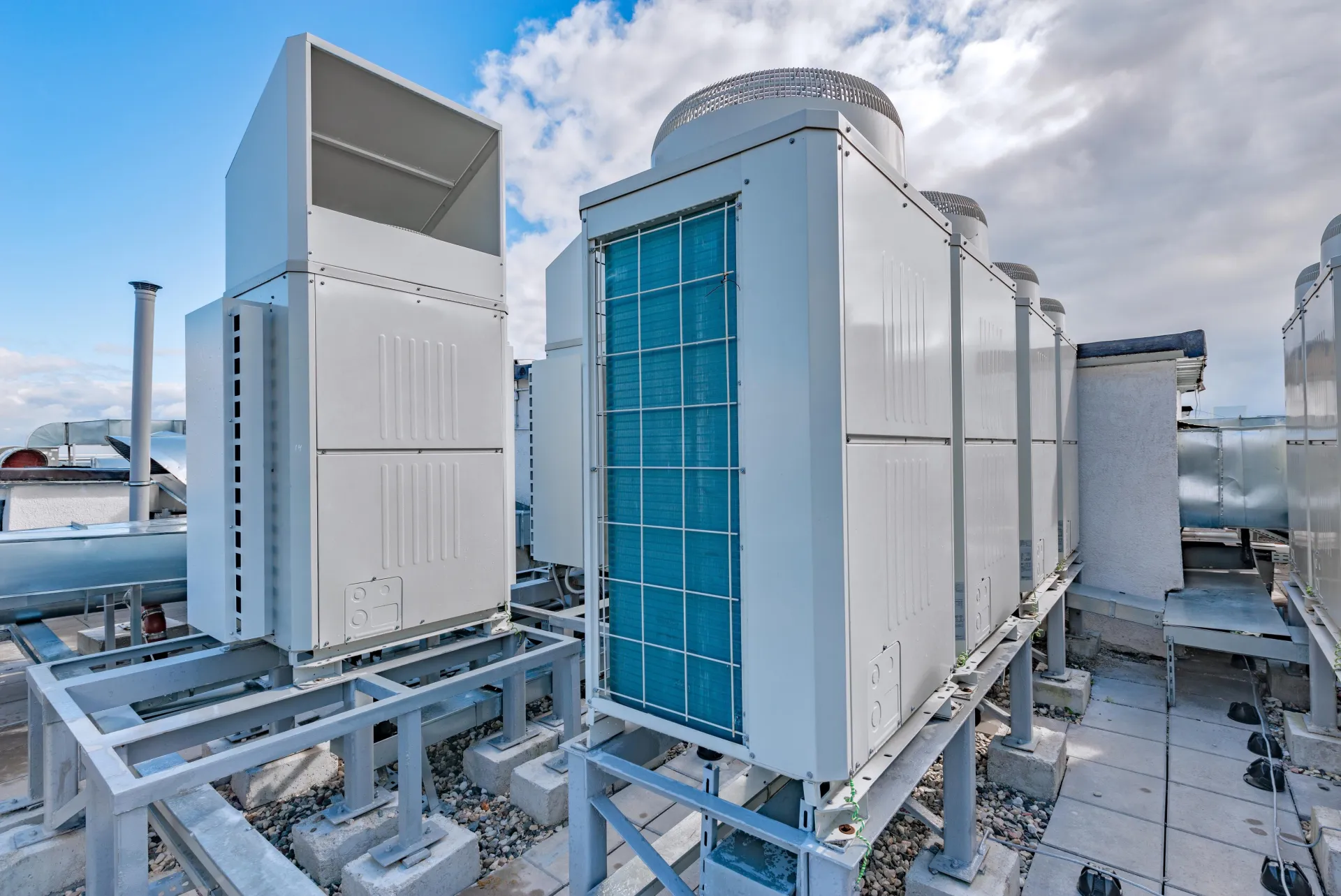
The commercial HVAC landscape in the Greater Toronto Area is constantly evolving. New building codes introduce stricter energy performance requirements, emerging technologies like variable refrigerant flow systems and geothermal heat pumps offer alternatives to conventional equipment, and growing awareness of indoor air quality has elevated ventilation system performance to a top priority for residents and building managers alike. Our team stays at the forefront of these developments, and we share our knowledge through these resources so that every property professional in the GTA can make informed decisions about their buildings' mechanical systems.
Featured Articles
Complete Guide to Commercial HVAC Maintenance Best Practices
Essential HVAC best practices for maximizing equipment life and performance in condo buildings. Covers seasonal checklists, TSSA compliance, and manufacturer-recommended service intervals.
Condo Building Energy Efficiency Guide
Complete condo building energy efficiency strategies for reducing operational costs. Equipment upgrades, control system optimization, and Ontario energy code compliance.
Emergency HVAC Protocols for Property Managers
Critical HVAC best practices for handling commercial HVAC emergencies. Step-by-step response procedures for boiler failures, chiller breakdowns, and ventilation system issues.
Property Management HVAC Tips
Expert commercial HVAC maintenance insights and tips for property managers. Vendor selection, contract negotiation, and reserve fund planning guidance.
HVAC System Upgrade Guide
When and how to plan HVAC system upgrades for maximum return on investment. Capital planning, phased replacement strategies, and equipment selection guidance.
Indoor Air Quality Solutions
Improving condo building energy efficiency through air quality optimization. Ventilation strategies, filtration upgrades, and monitoring technologies for healthier buildings.
Need Expert HVAC Guidance?
Our TSSA-certified team is ready to help with any commercial HVAC challenge your building faces. From maintenance planning to emergency support, we have you covered.
Understanding Commercial HVAC in GTA Condo Buildings
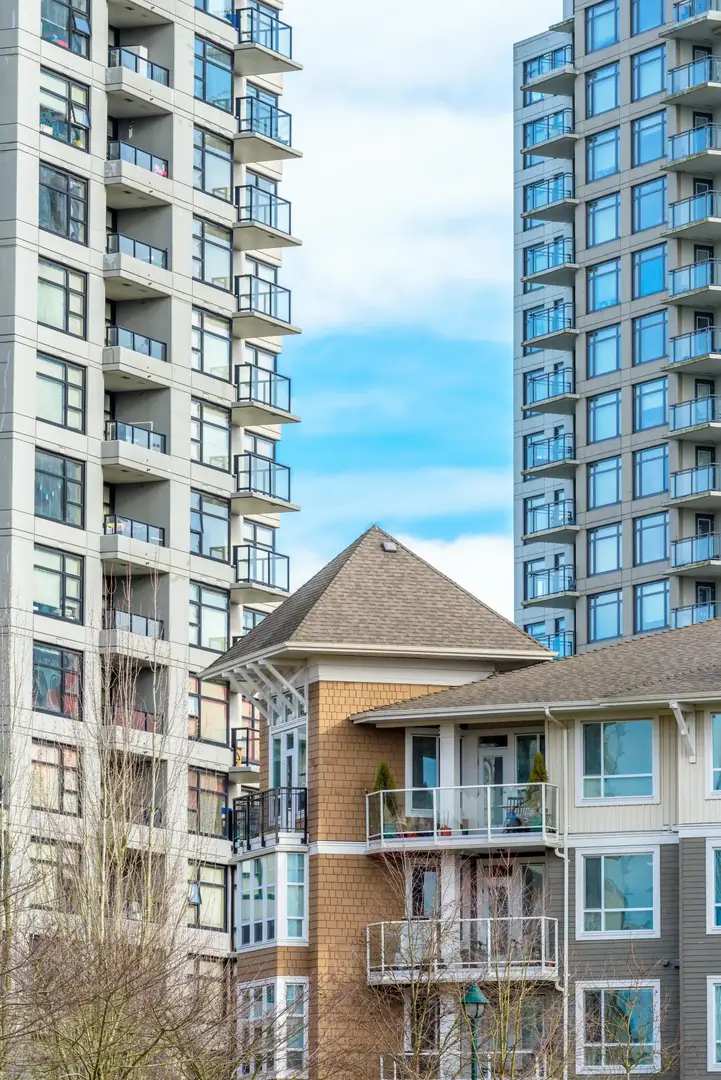
The Greater Toronto Area is home to one of the most active condominium markets in North America, with thousands of multi-unit residential towers ranging from mid-rise buildings to supertall skyscrapers along the waterfront and throughout the suburban centres. Each of these buildings relies on sophisticated HVAC infrastructure that must be maintained, monitored, and eventually replaced over the building's lifecycle. For property management companies overseeing these assets, staying informed about HVAC best practices is not optional but rather a core responsibility that directly affects resident satisfaction, operating costs, and long-term property value.
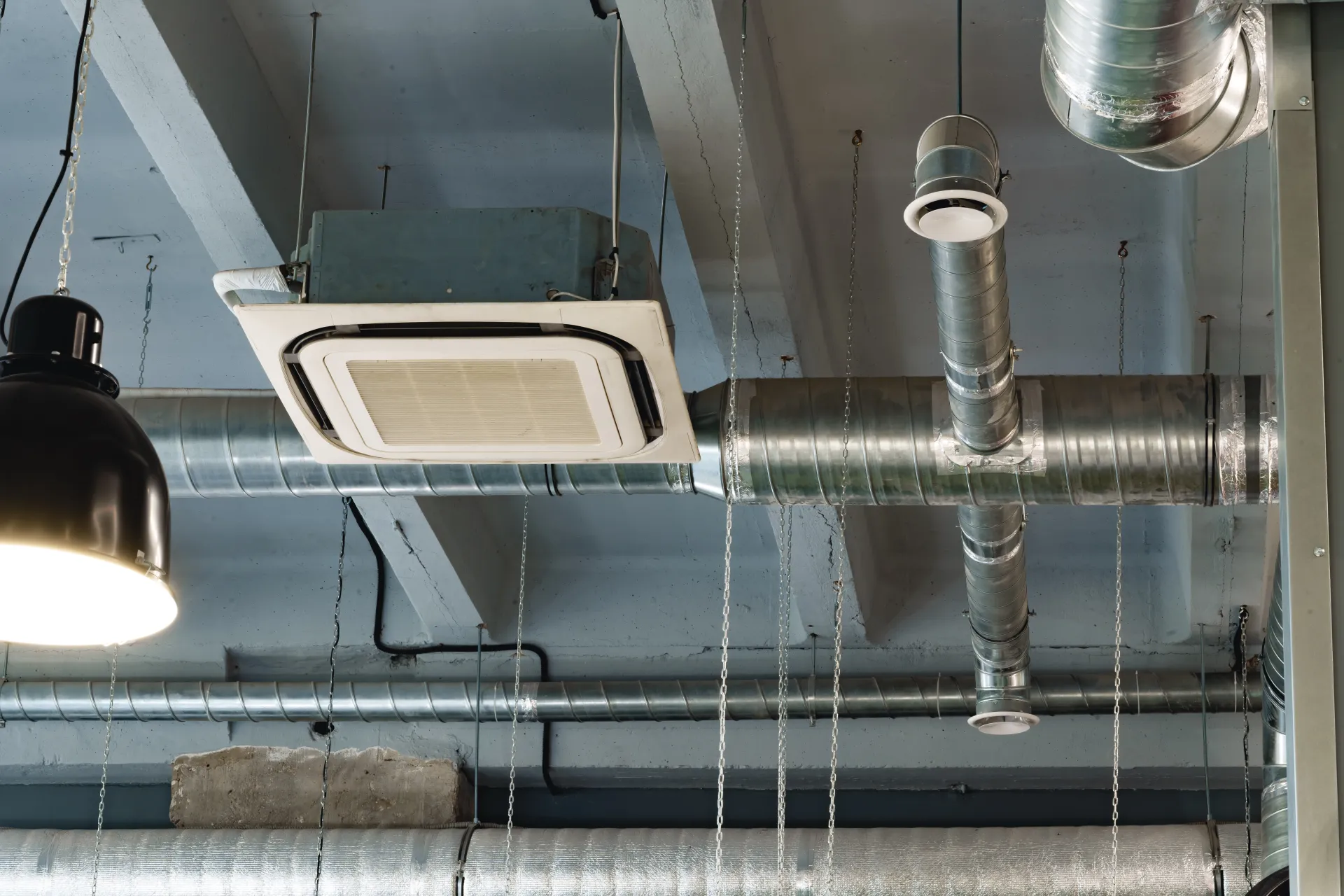
Commercial HVAC systems in GTA condo buildings typically include several major equipment categories. Central heating plants may feature high-efficiency condensing boilers, atmospheric boilers, or in older buildings, cast-iron sectional boilers that have served reliably for decades but are approaching end of life. Cooling systems range from air-cooled chiller plants on rooftop mechanical levels to water-cooled chiller systems with cooling towers, and some newer buildings employ variable refrigerant flow technology for zone-level control. Individual suite comfort is most commonly provided by two-pipe or four-pipe fan coil units, though some luxury properties feature in-floor radiant heating, ceiling-mounted cassette units, or wall-mounted split systems.

Ventilation, Building Automation & Smart System Integration
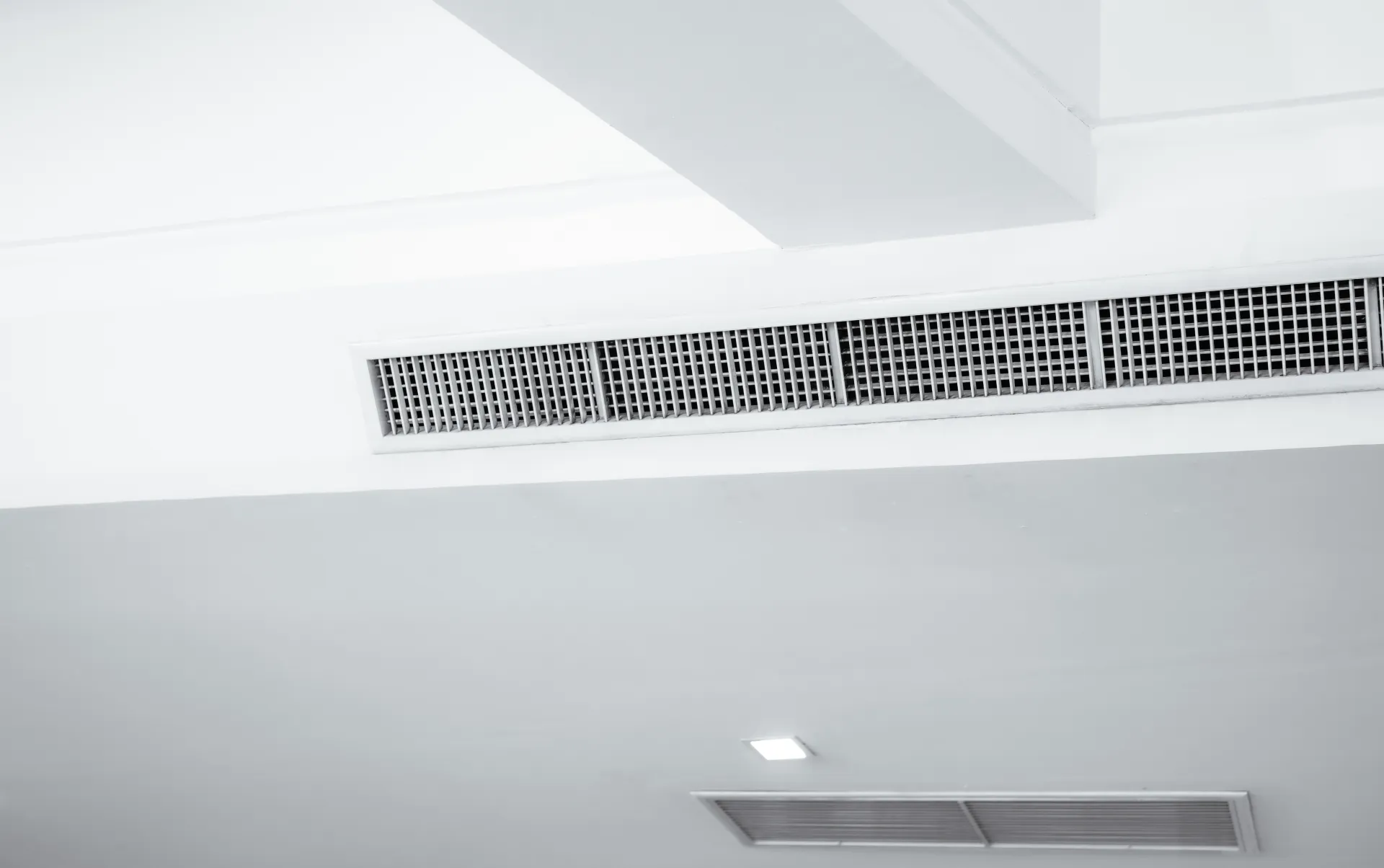
Ventilation systems in modern GTA condominiums must balance the need for fresh outdoor air against energy conservation goals, which is why energy recovery ventilators and heat recovery ventilators have become standard equipment in new construction and major renovation projects. Make-up air units supply pressurized, conditioned air to corridors and common areas, while individual suite ventilation may rely on operable windows, dedicated outdoor air systems, or corridor pressurization strategies depending on the building's design and era of construction.
Building automation systems tie all of these components together, providing centralized monitoring and control that allows building engineers and HVAC service providers to optimize performance, detect faults early, and respond quickly to comfort complaints. Modern BAS platforms can integrate with cloud-based analytics tools that use machine learning to identify energy waste, predict equipment failures, and recommend operational adjustments. Our articles explore all of these systems and technologies in detail, providing the practical knowledge that property managers and building engineers need to make informed decisions about their buildings' HVAC infrastructure.
TSSA, Ontario Building Code & ASHRAE Compliance
Regulatory compliance is another area where our blog provides valuable guidance. TSSA regulations govern the installation, maintenance, and inspection of pressure vessels and fuel-burning equipment in Ontario, and non-compliance can result in shutdown orders that leave buildings without heating or hot water. The Ontario Building Code establishes minimum standards for ventilation rates, energy efficiency, and fire and life safety systems that interact directly with HVAC equipment. ASHRAE standards provide industry benchmarks for indoor air quality, thermal comfort, and system performance that property managers should understand when evaluating their buildings' HVAC operations or planning capital improvement projects. Our article on HVAC regulations compliance covers these requirements in plain language.

Browse by Topic
Maintenance Guides
Detailed maintenance procedures for fan coil units, boilers, chillers, cooling towers, make-up air units, and building automation systems commonly found in GTA condo buildings. Includes seasonal checklists and TSSA compliance requirements.
Energy & Efficiency
Strategies for reducing HVAC energy consumption in multi-unit residential buildings, including equipment upgrades, control system optimization, energy recovery ventilation, and compliance with Ontario energy codes and Toronto Green Standard requirements.
For Property Managers
Practical guidance for property management professionals on HVAC vendor selection, contract negotiation, reserve fund planning for mechanical equipment, resident communication during maintenance, and regulatory compliance across multiple GTA properties.
Why HVAC Touch Is Your Trusted Knowledge Partner
At HVAC Touch, we believe that informed property managers and building engineers make better decisions about their buildings' HVAC systems. That is why we invest significant time and resources into creating educational content that goes beyond generic advice to address the specific challenges facing commercial HVAC operations in the Greater Toronto Area. Our TSSA-certified technicians contribute real-world insights from their daily work on condo building HVAC systems, ensuring that every article reflects the practical realities of maintaining complex mechanical equipment in occupied residential buildings.
With more than 15 years of experience serving multi-unit residential towers across the GTA, we have encountered virtually every HVAC challenge that a condo building can present. From emergency boiler replacements in the middle of January to complete chiller plant overhauls during summer heat waves, our team has the expertise and the equipment to handle any situation. We carry full WSIB coverage and comprehensive liability insurance, and every technician on our team holds the appropriate TSSA certifications and trade qualifications required for commercial HVAC work in Ontario.
Serving All Stakeholders: A Resource for Every Role
Our blog reflects the same commitment to excellence that defines our service delivery. We do not publish content for the sake of filling pages. Every article is carefully researched, technically accurate, and specifically relevant to the needs of property managers, condo boards, and building engineers working in the GTA market. We welcome feedback and topic suggestions from our readers, because the best content comes from addressing the real questions that building professionals ask every day.
We also recognize that commercial HVAC decision-making involves multiple stakeholders with different perspectives and priorities. Property managers focus on service reliability, cost control, and resident satisfaction. Condo board members need to understand long-term capital planning and the financial implications of equipment replacement decisions. Building engineers require detailed technical information about system performance, troubleshooting procedures, and equipment specifications. Our content is structured to serve all of these audiences, with articles that range from high-level strategic overviews to detailed technical guides with step-by-step procedures and equipment-specific recommendations.
Need HVAC Best Practices Guidance?
Contact HVAC Touch for expert condo building energy efficiency and commercial HVAC maintenance support.