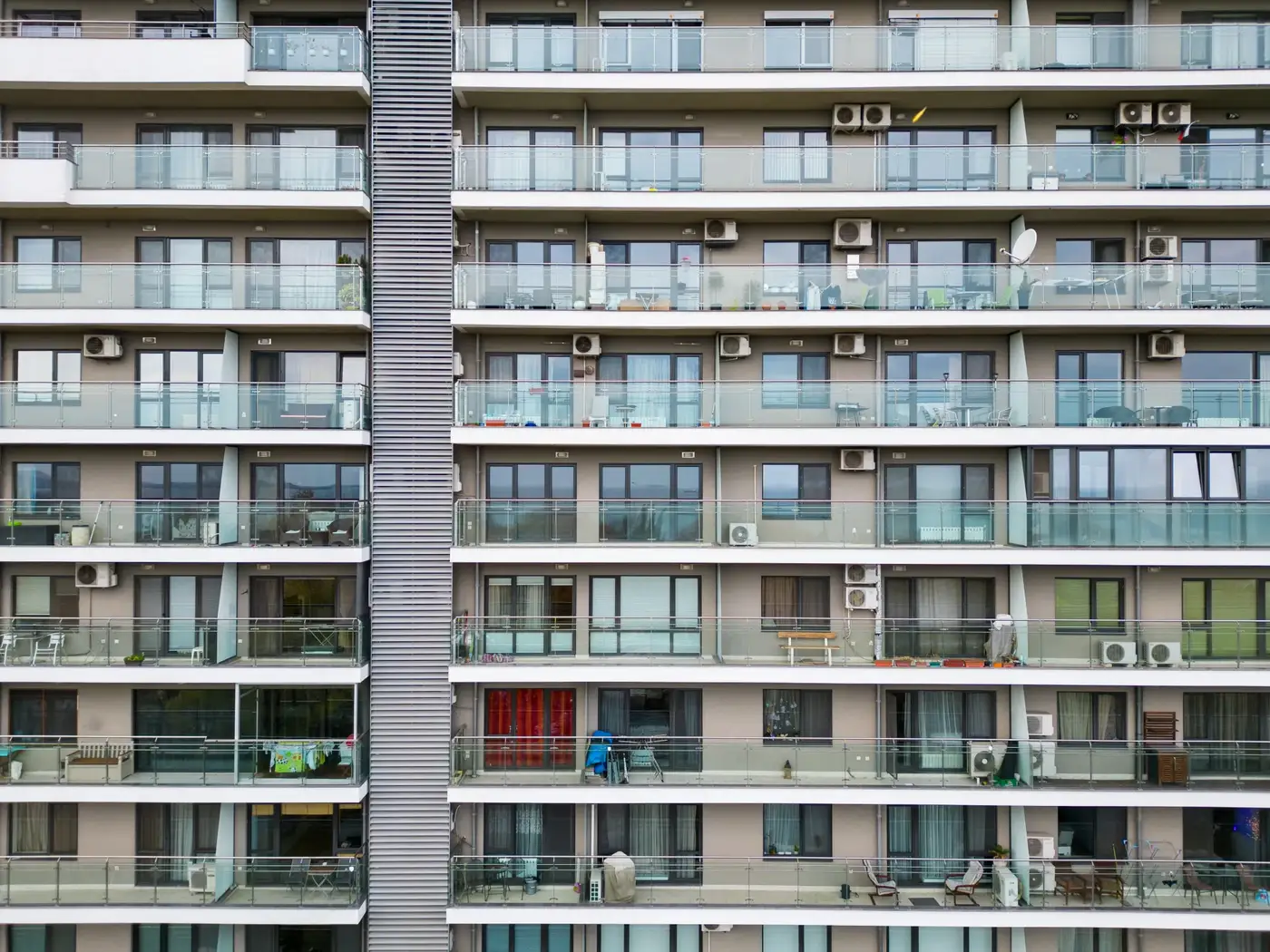
HVAC System Design For Commercial Buildings
Engineering excellence in commercial HVAC system design for optimal performance, efficiency, and occupant comfort.
HVAC system design commercial buildings Toronto engineers provide requires comprehensive engineering analysis integrating building science, load calculations, equipment selection, and control strategies into cohesive systems that deliver optimal performance. Proper design ensures comfort, efficiency, reliability, and value for building owners and occupants throughout the system lifecycle.
Load Calculation Fundamentals
Accurate commercial HVAC engineering GTA load calculations form the foundation of successful HVAC system design, determining the capacity required to maintain comfort conditions under peak and part-load conditions. Professional load analysis prevents costly oversizing while ensuring adequate capacity.
Proper ASHRAE load calculations commercial Toronto standards require detailed analysis using ASHRAE-approved procedures or computer modeling software. Commercial Load Calculation Methods must account for all thermal loads. Calculate heating and cooling loads separately for each zone or space based on building orientation, construction materials, insulation values, window areas, and shading devices. Account for internal loads from people, lighting, equipment, and processes specific to your building type. ASHRAE HVAC Standards and Guidelines provide the definitive engineering methods used by qualified commercial designers.
Consider diversification factors that reduce total capacity requirements since peak loads rarely occur simultaneously in all spaces. Use CLTD/CLF methods or detailed computer modeling for accuracy. Document all assumptions and calculations for future reference and validation.
Outdoor Design Conditions must be selected based on location-specific weather data rather than rule-of-thumb approaches. Use ASHRAE design temperature data for your location, selecting appropriate percentile values that balance first cost against capacity adequacy. Consider both summer dry-bulb and wet-bulb temperatures for cooling load calculations. Winter design temperatures should reflect the coldest conditions expected, though extreme outliers may not justify additional capacity. Verify design conditions against local climate data and historical weather patterns. Account for urban heat island effects in city locations that may increase cooling requirements.
Internal Load Analysis requires detailed understanding of building usage and occupancy patterns. Quantify heat gain from occupants based on activity levels and metabolic rates, using diversity factors for spaces with variable occupancy. Calculate lighting loads based on actual fixture wattages and operating schedules, accounting for any dimming or control strategies. Include equipment heat gain from computers, servers, kitchen equipment, or other plug loads specific to your building type. Consider process loads for manufacturing or special-use facilities. Analyze how these loads vary seasonally and throughout the day to properly size equipment and design control strategies.
Equipment Selection and Configuration
Mechanical engineering HVAC commercial Toronto firms use when selecting equipment involves analyzing multiple factors including capacity requirements, efficiency ratings, spatial constraints, first costs, and lifecycle operating expenses. Proper equipment matching ensures reliable operation and optimal performance.
Central Plant vs Distributed Systems represents a fundamental design decision affecting cost, efficiency, and flexibility. Central plants using chillers, boilers, and cooling towers offer economies of scale, easier maintenance access, and potentially higher efficiency for large buildings. Distributed systems using rooftop units, split systems, or packaged units provide individual zone control, redundancy, and lower first costs for smaller buildings. Consider hybrid approaches combining central plants for core areas with distributed systems for perimeter zones. Evaluate first cost, operating costs, maintenance requirements, and future flexibility when selecting system configuration. Account for available mechanical space, structural capacity, and architectural constraints.
Chiller Selection and Configuration requires analyzing load profiles, efficiency characteristics, and redundancy requirements. Key considerations include:
- Compare air-cooled vs water-cooled chillers based on climate, water availability, and efficiency requirements — water-cooled chillers offer higher efficiency but require cooling towers and water treatment
- Consider multiple smaller chillers rather than one large unit to provide redundancy and improve part-load efficiency
- Analyze chiller efficiency using IPLV and NPLV ratings that reflect real-world operating conditions
- Evaluate variable-speed drive options that improve efficiency at part load
- Consider magnetic bearing or oil-free chillers for premium efficiency in suitable applications
Boiler System Design must address heating capacity, efficiency, and operational flexibility. Select condensing boilers for maximum efficiency when return water temperatures allow condensing operation. Consider multiple modular boilers rather than one large boiler to improve part-load efficiency and provide redundancy. Analyze boiler efficiency using thermal efficiency ratings and part-load performance curves. Design boiler piping to enable proper flow rates and temperature drops across heat exchangers. Include necessary accessories including expansion tanks, air separators, and pumps. Consider domestic hot water requirements and whether to integrate with space heating boilers or use separate dedicated equipment.
Air Distribution System Design
Proper air distribution is a core component of HVAC design specifications commercial buildings GTA engineers prepare, ensuring comfort is maintained throughout all occupied spaces while providing adequate ventilation. Duct system design significantly impacts first cost, operating cost, and acoustic performance.
Duct Layout and Sizing requires careful planning to balance performance, space requirements, and construction costs. Design duct systems using equal friction or static regain methods to maintain proper airflow distribution. Size ducts to achieve acceptable velocities that minimize pressure drop while controlling noise levels. Use round duct where possible for better airflow characteristics and lower friction losses. Design for proper air balancing using dampers and takeoffs that enable adjustment after installation. Consider access requirements for future balancing and maintenance. Coordinate duct routing with structural elements, other building systems, and architectural features to avoid conflicts.
Air Terminal Selection affects comfort, noise levels, and aesthetic integration with the space. Select diffusers and grilles based on airflow requirements, throw distance, and noise criteria for each space. Consider ceiling-mounted diffusers for general office areas, sidewall grilles for perimeter zones, and specialized terminals for unique applications. Use diffusers with appropriate throw and spread patterns to ensure proper mixing without causing drafts or stratification. Coordinate terminal selection with ceiling systems and lighting to achieve desired aesthetic results. Consider VAV terminals for variable air volume systems, selecting pressure-dependent or pressure-independent models based on control requirements.
Ventilation Design must provide adequate outdoor air for occupant health while managing energy impacts. Calculate outdoor air requirements based on occupancy and space use per ASHRAE Standard 62.1. Design air-side economizers to provide free cooling using outdoor air when conditions permit. Select energy recovery ventilators to precondition outdoor air and reduce heating and cooling loads. Consider demand-controlled ventilation using CO2 sensors to reduce outdoor air during low-occupancy periods. Design exhaust systems for restrooms, kitchens, and other contaminant sources to maintain proper building pressurization and prevent contaminant migration.
Zoning and Control Strategies
Effective zoning and control strategies enable individual temperature control in different building areas while optimizing energy efficiency. Control system design determines how well equipment operates and how efficiently energy is used throughout the building. Our guide to building automation systems explains how modern controls platforms enhance zoning precision and efficiency.
Zone Definition and Layout requires analyzing thermal loads, usage patterns, and control requirements throughout the building. Group spaces with similar load characteristics into shared zones to minimize conflicts and improve comfort. Separate perimeter zones from interior core areas since they have significantly different load profiles. Consider exposure orientation, grouping spaces with similar solar exposure together.
Create special zones for spaces with unique requirements such as server rooms, conference rooms, or executive areas. Design zone boundaries to align with physical partitions where possible to prevent thermal short-circuiting. Limit zone sizes to ensure adequate control responsiveness and temperature uniformity.
Control System Architecture must provide appropriate functionality for the building size and complexity. Select between pneumatic, electric, and DDC controls based on building requirements and budget. DDC systems offer superior functionality, energy optimization, and monitoring capabilities for larger buildings. Design control hierarchies with HVAC control systems providing oversight and local controllers handling equipment-specific functions. Include manual override capabilities and user interfaces appropriate for each level of the system. Design for future expansion and integration with other building systems. Consider open protocols like BACnet for flexibility and vendor independence.
Control Sequence Development translates design intent into specific equipment operating logic. Write detailed control sequences describing equipment operation under all conditions including startup, shutdown, normal operation, and alarm scenarios. Define setpoints, deadbands, and operating ranges for all controlled variables. Specify interlocks that prevent unsafe equipment operation or conflicting control actions. Include energy optimization sequences like optimum start/stop, night setback, and economizer control. Test control sequences during commissioning to verify proper operation and refine based on actual performance. Document sequences thoroughly for future reference and troubleshooting.
System Integration and Optimization
Modern HVAC systems must integrate with other building systems while optimizing energy efficiency and occupant comfort. System integration considerations affect both initial design and long-term performance.
Energy Recovery Integration captures waste energy to reduce heating and cooling loads, making it a cornerstone of effective energy recovery integration strategies in modern commercial buildings. Design air-to-air energy recovery systems to precondition outdoor air using exhaust air energy. Select appropriate heat recovery technologies including enthalpy wheels, heat pipes, or fixed-plate exchangers based on climate and application. Size recovery systems based on outdoor air quantities and climate-specific heating and cooling degree days. Design bypass arrangements to enable operation when recovery isn't beneficial or equipment requires maintenance. Analyze energy recovery economics including first cost, energy savings, and maintenance requirements. Include appropriate condensate management and freeze protection for heating climates. Our HVAC energy audits quantify exactly how much you can save by adding energy recovery to your system.
HVAC Controls Integration enables centralized monitoring, control, and optimization of HVAC systems. Design integration points between HVAC controls and fire alarm systems for smoke control requirements. Connect to security systems to enable setback modes when buildings are unoccupied. Integrate with lighting systems to coordinate lighting and HVAC based on occupancy and scheduling. Provide dashboards and trending capabilities to enable performance monitoring and optimization. Design for remote access and monitoring capabilities that support property management operations. Include alarm and notification systems to alert operators to problems requiring attention.
Renewable Energy Integration may include solar thermal, geothermal, or other renewable sources. Design geothermal heat pump systems taking advantage of constant earth temperatures for improved efficiency. Size ground loops based on building loads and soil conditions, ensuring adequate heat rejection and extraction capacity. Consider solar thermal systems to supplement domestic hot water or heating loads. Design system hydronics to enable efficient renewable energy integration while maintaining reliable backup capacity. Analyze renewable economics including available incentives, first costs, and operating savings. Design for future renewable additions even if not included initially.
Design Documentation and Commissioning
Comprehensive design documentation and systematic commissioning ensure systems perform as intended and meet owner requirements. Proper documentation supports construction, commissioning, operation, and future modifications.
Design Documentation must communicate design intent clearly to all stakeholders. Prepare complete drawing sets including plan views, riser diagrams, control schematics, and details showing all system components. Include equipment schedules with specifications, performance data, and electrical requirements. Provide detailed specifications covering equipment quality, installation standards, and performance requirements. Include calculation outputs showing load calculations, equipment sizing, and duct and pipe sizing. Document design assumptions and criteria to support future modifications and troubleshooting. Maintain drawing files systematically and update as designs evolve during construction.
Commissioning Planning should begin during design to ensure systems can be verified and optimized. Design test points and measurement locations to enable performance verification. Specify instrumentation requirements including temperature sensors, flow meters, and pressure gauges needed for commissioning. Include temporary testing connections and access provisions. Define acceptance criteria and performance requirements for all major equipment and systems. Plan commissioning activities including functional testing, performance verification, and documentation requirements. Allocate adequate time and budget for thorough commissioning activities.
Operator Training and Documentation ensures systems operate as designed throughout their lifecycle. Provide comprehensive operator manuals including system descriptions, operating procedures, and maintenance requirements. Document alarm conditions and appropriate responses. Create troubleshooting guides for common problems. Conduct hands-on training for building operators covering normal operation, emergency procedures, and routine maintenance tasks. Provide as-built drawings and documentation reflecting final installation. Establish ongoing support contacts for questions and assistance. For Toronto commercial properties ready to implement these design principles, our commercial HVAC installation team brings engineering-led expertise to every project.
System Design Impact
energy savings possible through proper system design vs rule-of-thumb approaches
reduction in first cost achievable through optimized equipment selection and system configuration
improvement in occupant satisfaction and productivity from properly designed systems
typical HVAC system construction cost for commercial buildings including design and equipment
Key Takeaways
- Perform detailed load calculations using ASHRAE methods rather than rules of thumb to ensure proper equipment sizing
- Select equipment based on lifecycle costs including efficiency, maintenance requirements, and reliability rather than first cost alone
- Design effective zoning strategies that provide individual control while optimizing energy efficiency through smart control sequences
- Integrate systems effectively including energy recovery, HVAC controls, and renewable energy sources for maximum efficiency
- Document thoroughly and commission completely to ensure systems perform as designed and operators can maintain them effectively
Related Topics
System Selection Guide
How to select the right HVAC system for your commercial property
System Sizing Guide
Proper sizing techniques to ensure optimal performance and efficiency
Controls Integration
Integrating HVAC controls with HVAC control systems
Zoning Systems
Understanding and implementing HVAC zoning for comfort and efficiency
Design Your Commercial HVAC System
Our engineering team delivers comprehensive HVAC system design services that optimize performance, efficiency, and value for your commercial building project.