Seasonal HVAC Maintenance Guide
Essential seasonal maintenance tasks to keep your commercial HVAC system running efficiently year-round.
Year-Round HVAC Maintenance Schedule
Seasonal HVAC maintenance commercial Toronto keeps commercial HVAC systems operating efficiently throughout the year, prevents unexpected breakdowns, and extends equipment life. Each season presents unique challenges and maintenance requirements. Following a comprehensive spring HVAC maintenance condo buildings GTA and seasonal maintenance schedule ensures your building remains comfortable regardless of outdoor conditions while controlling energy costs and minimizing repair expenses. For a deeper look at maintenance planning throughout the year, see our seasonal maintenance guide.
Spring Maintenance Tasks
Cooling System Preparation
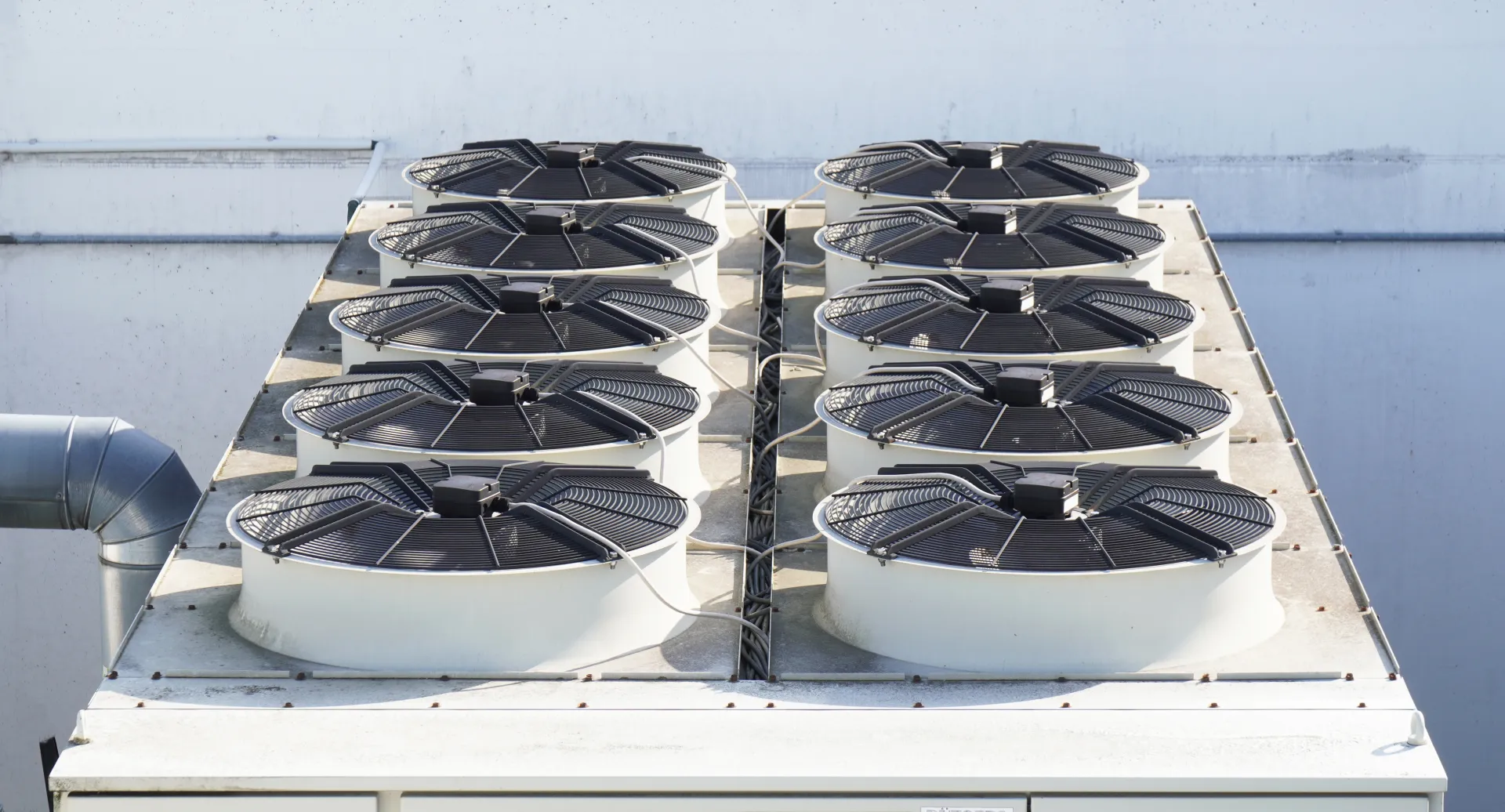
Spring preparation ensures cooling systems perform reliably during peak summer heat. Clean condenser coils thoroughly to remove winter debris and accumulation that reduces heat transfer efficiency. Check refrigerant levels and repair any leaks before charging—the industry phased out many common refrigerants, so verify proper refrigerant type before adding. Inspect electrical connections and tighten as needed—loose connections cause voltage drops and premature component failure. Test starting components including capacitors and relays. Our HVAC maintenance packages cover all spring cooling preparation tasks.
Air Distribution System Check
Inspect all ductwork for damage or disconnection that may have occurred during winter operation. Seal leaks with mastic or metal tape to prevent conditioned air loss. Check and clean air intakes to ensure adequate airflow. Verify dampers operate properly through full range of motion—stuck dampers prevent proper zone control. Test balancing dampers and readjust if necessary. Inspect vibration isolators on air handlers and replace if cracked or compressed.
Control System Verification
Test all thermostats for accurate temperature sensing—calibrate if readings deviate from actual conditions. Following a commercial HVAC seasonal schedule Toronto means verifying cooling-only thermostats won't accidentally trigger heating mode. Check HVAC controls system schedules and adjust for summer operating hours. Test economizer controls to ensure proper operation during cool spring weather. Verify all sensors including temperature, humidity, and pressure provide accurate readings. Update software and firmware on control systems.
GTA Spring Changeover Considerations
Fall HVAC preparation commercial GTA buildings require is equally critical, but for GTA condo buildings with two-pipe fan coil systems, spring represents the most visible changeover period from heating to cooling mode. Property managers must carefully time this transition — switching too early risks leaving residents without heat during a late-season cold snap, while switching too late means suites facing south and west overheat during warm April and May afternoons. Most experienced property management companies in the Greater Toronto Area target the changeover for mid-to-late April, monitoring long-range weather forecasts to select a period with consistently mild temperatures.
During the changeover window, HVAC contractors drain heating water from the distribution loop, flush the system to remove sediment accumulated during winter, and fill with chilled water. This process typically takes two to three days for a large tower, during which suites have no heating or cooling capability. Communicating the changeover schedule to residents well in advance and providing guidance on using portable heaters or fans during the transition period reduces complaints and demonstrates proactive property management. Buildings with four-pipe fan coil systems or VRF systems avoid this issue entirely, as they can provide simultaneous heating and cooling year-round.
Summer Maintenance Focus
Heat Rejection System Maintenance
Cooling towers require frequent attention during peak operation. Monitor water treatment chemistry to prevent scale, corrosion, and biological growth. Clean fill media and distribution basins monthly during heavy use. Check fan belts and adjust tension as needed. Verify airflow through the tower matches design conditions. Monitor approach temperature—the difference between sump water and wet bulb temperature—to identify declining performance. Clean strainers and check make-up water valves.
Performance Monitoring
Track key performance indicators throughout the cooling season. Monitor supply air temperature and verify it maintains design setpoints under varying load conditions. Track compressor amp draw—increasing current indicates developing problems. Check for short cycling which reduces efficiency and increases wear. Monitor suction and discharge pressures—deviations from normal indicate refrigerant or airflow problems. Log all readings to identify trends and predict maintenance needs.
During Toronto's summer months, when temperatures regularly exceed 30 degrees Celsius with high humidity, cooling systems in condo buildings operate at or near full capacity for extended periods. This sustained operation accelerates wear on compressors, fans, and motors, making mid-season performance monitoring essential. Building engineers should check chiller operating logs weekly, watching for rising condenser approach temperatures that indicate fouled condenser tubes or declining cooling tower performance. For buildings with cooling towers, monitor the approach temperature — the difference between the leaving water temperature and the ambient wet bulb temperature — as this metric reveals whether the tower is delivering adequate heat rejection. An increasing approach temperature typically indicates fouled fill media, inadequate water distribution, or fan belt slippage, all of which are correctable with routine maintenance before they cascade into chiller high-pressure alarms and emergency shutdowns.
Filter Maintenance
Winter HVAC readiness condo buildings Toronto requires advance preparation — summer cooling loads increase airflow and filter loading, so late-season maintenance sets up the transition. Check filters monthly and replace based on pressure drop rather than time. Higher efficiency filters used during pandemic recovery may require more frequent changes. Inspect filter racks for bypass air—light passing around filters indicates sealing problems. Consider upgrading filtration if IAQ concerns exist, but verify equipment can handle increased static pressure. Document filter changes to track loading patterns.
Fall Maintenance Requirements
Heating System Startup
Prepare heating systems before cold weather arrives. Inspect heat exchangers for cracks or corrosion that could cause carbon monoxide leakage. Clean burners and verify proper fuel pressure and combustion efficiency. Test ignition systems and safety controls including flame sensors and limit switches. For boilers, inspect gaskets and replace if leaking. Test pumps and check for air in hydronic systems. Verify expansion tanks operate properly. When unexpected heating failures occur, our emergency HVAC services provide rapid response. TSSA (Technical Standards and Safety Authority) requires annual inspections of boilers and pressure vessels in Ontario — coordinate fall startup with these mandatory inspections.
In GTA condo buildings, fall heating system startup must be coordinated with TSSA requirements for fuel-fired equipment. Ontario's Technical Standards and Safety Authority requires annual inspections of boilers and pressure vessels, and scheduling these inspections to coincide with fall startup ensures that any deficiencies are identified and corrected before the heating season begins. TSSA-certified technicians should perform combustion analysis on all gas-fired boilers, verifying that CO levels in flue gas are within acceptable limits and that combustion efficiency meets manufacturer specifications.
For buildings with multiple boilers, test the staging sequence to confirm that lead-lag rotation functions correctly and that all boilers fire reliably after sitting idle during the summer cooling season. Circulator pumps should be checked for bearing wear, seal leaks, and proper flow rates. Air should be bled from the highest points in the hydronic distribution system, as air pockets that accumulate during summer can prevent adequate flow to upper-floor fan coils when heating is first called for.
Humidification System Check
If your building includes humidification for winter comfort, perform annual maintenance before heating season. Clean or replace cylinders in steam humidifiers. Check water quality and treatment systems to prevent mineral buildup. Test controls and verify humidistat accuracy. Inspect dispersion panels and clean if clogged. Verify drain lines flow freely and check for leaks. Calibrate humidity sensors throughout the building.
Economizer Winterization
Prepare air-side economizers for winter operation. Verify dampers close tightly to prevent freezing coils. Test low-temperature limit switches to prevent coil freeze-ups. Inspect and lubricate damper linkages. Check freeze stat operation and set appropriate lockout temperatures. Clean economizer sensors and verify accurate readings. Adjust economizer control setpoints for winter operation—some buildings disable economizers entirely during extreme cold.
Winter Maintenance Activities
Boiler System Monitoring
Monitor boiler performance daily during heating season. Track combustion efficiency and adjust as needed. Monitor stack temperature—increase indicates fouling tubes or heat exchangers. Check water chemistry regularly in hydronic systems to prevent corrosion and scale. Verify feedwater systems maintain proper water levels. Test safety valves monthly to prevent corrosion and ensure reliable operation. Log all operating parameters to identify performance trends.
Freeze Protection
Protect equipment and piping from freeze damage during extreme cold. Verify heat trace operates on exposed pipes. Check insulation and repair any damage. Test glycol concentration in systems requiring freeze protection. Monitor make-up water systems to prevent freezing. Ensure all unoccupied spaces maintain minimum temperatures. Plan for emergency response if heating systems fail—identify temporary heat sources and establish procedures for rapid response.
Freeze protection is a particular concern for GTA high-rise buildings where mechanical equipment and piping are often located on rooftops, in penthouse mechanical rooms, or along exterior walls exposed to wind chill. Make-up air units with water heating coils are especially vulnerable — if the heating coil loses circulation due to a pump failure or air lock while the unit continues to draw in minus 20 degree outdoor air, the coil can freeze and rupture within minutes, causing extensive water damage to floors below.
Low-temperature limit switches (freeze stats) provide the last line of defense by shutting down the air handler if discharge air temperature drops below a safe threshold, typically 3 to 5 degrees Celsius. Test freeze stats annually before winter and verify that the BAS is programmed to generate an immediate alarm when a freeze stat trips, as rapid response is essential to prevent coil damage. For buildings with cooling towers, drain all water from the tower basin and supply piping before the first freeze, or maintain circulation with glycol-treated water if the tower must remain available during winter.
Ventilation Adjustments
Winter operation often requires reduced ventilation rates to conserve energy while maintaining adequate air quality. Verify minimum outdoor air damper positions provide required ventilation without excess. Test economizer lockouts to prevent damper operation during extreme cold. Monitor humidity levels—high indoor humidity in cold weather causes condensation and potential mold problems. Adjust ventilation based on actual occupancy using CO2 sensors to avoid over-ventilating partially occupied spaces.
Seasonal Transition Planning
Switchover Procedures
Spring and fall bring transitional periods where both heating and cooling may be needed within short timeframes. Verify changeover systems operate reliably and switch modes at appropriate temperatures. Test both heating and cooling capabilities before peak seasons arrive. Adjust changeover setpoints based on local climate—some buildings require overlapping operation during shoulder seasons. Document switchover dates and conditions to refine procedures annually.
Energy Management Adjustments
Adjust HVAC controls schedules seasonally to match occupancy patterns and weather conditions. Update start times to account for longer warm-up or cool-down periods during extreme weather. Modify setback temperatures based on seasonal capabilities—deeper setbacks save more energy but require longer recovery times. Review and adjust economizer enable settings as outdoor conditions change. Implement demand-controlled ventilation adjustments based on seasonal occupancy patterns.
In GTA condo buildings, common area schedules for amenity spaces such as party rooms, fitness centres, and pools should be reviewed each season to align with actual usage patterns, which often shift between summer and winter as resident activity levels change.
Staff Training and Preparation
Ensure facilities staff understands seasonal maintenance requirements and emergency procedures. Conduct training sessions before peak heating and cooling seasons. Review emergency response plans for extreme weather events. Verify staff knows how to respond to common problems such as frozen pipes, boiler lockouts, or cooling system failures. Maintain current contact information for all service providers and equipment suppliers. Document lessons learned from each season to improve future preparation.
Seasonal Maintenance Benefits
Key Takeaways
- ✓ Spring maintenance focuses on cooling system preparation and control verification before summer heat
- ✓ Summer monitoring ensures heat rejection systems operate reliably during peak cooling loads
- ✓ Fall preparation includes heating system inspection and economizer winterization
- ✓ Winter operation requires freeze protection monitoring and boiler performance tracking
- ✓ Transitional periods demand careful switchover management and energy management adjustments
Related Topics
Implement a Seasonal Maintenance Program
Our maintenance programs keep your systems running efficiently year-round and prevent seasonal breakdowns.
Schedule Seasonal Maintenance