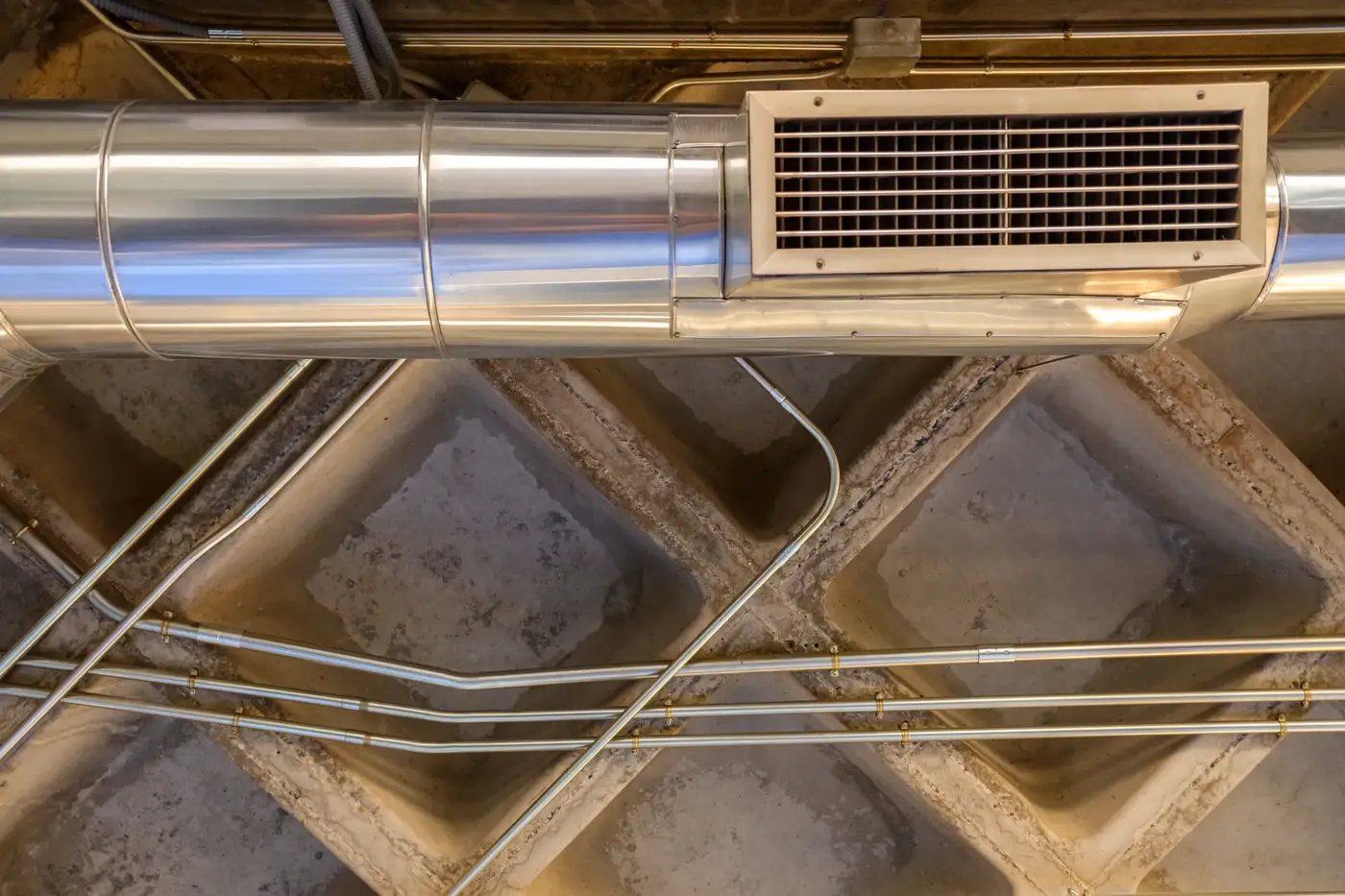
HVAC Emergency Response Plan
Create a comprehensive emergency response plan for HVAC systems in commercial buildings and properties.
A comprehensive HVAC emergency response plan Toronto commercial buildings need protects building occupants, preserves assets, and minimizes operational disruptions during system failures. This guide provides property managers and building engineers with a structured framework for developing, implementing, and maintaining emergency response plans tailored to their specific building requirements and equipment configurations. Properties that also leverage proactive emergency HVAC services agreements are far better positioned to minimize downtime when critical equipment fails.
Foundation of Emergency Response Planning
A property manager HVAC crisis plan GTA teams develop starts with understanding your building's specific risks, equipment capabilities, and operational requirements. A well-crafted plan serves as a roadmap for coordinated action during emergencies, ensuring all stakeholders understand their roles and responsibilities.
Risk Assessment and Critical System Identification forms the starting point for emergency response planning. This process involves cataloging all HVAC equipment, assessing system vulnerabilities, and identifying which systems are critical for building operation and occupant safety. Critical systems might include those serving server rooms, healthcare facilities, essential business operations, or areas with sensitive equipment. Each piece of critical equipment should have backup or redundancy options documented in the response plan.
Building-Specific Considerations must be thoroughly evaluated during planning. High-rise buildings have different emergency challenges compared to low-rise structures, particularly regarding vertical transportation of equipment and personnel during emergencies. Buildings with multiple tenants require protocols for communicating with and prioritizing different tenant needs. Properties with specialized systems like clean rooms, data centers, or manufacturing processes need customized emergency procedures addressing their unique requirements.
Planning a commercial building HVAC failure protocol Toronto property managers document must address regulatory compliance. Regulatory Compliance and Insurance Requirements should guide emergency response plan development. Many jurisdictions require specific emergency procedures for commercial buildings, particularly those with public assembly spaces or healthcare operations. Insurance providers may mandate certain emergency response capabilities as a condition of coverage. Understanding these requirements ensures the plan meets legal obligations and protects the property's insurability.
Emergency Response Team Structure
An effective emergency response plan clearly defines roles and responsibilities for all personnel involved in emergency management. This structure ensures efficient coordination and prevents critical tasks from being overlooked during high-pressure situations.
Emergency Response Team Composition should include representatives from property management, building engineering, tenant services, and external service providers. The Emergency Response Director, typically the property manager or building engineer, has overall authority for emergency response coordination. Team members should have clearly defined roles including initial assessment, communication coordination, equipment operation, vendor management, and documentation responsibilities.
Communication Protocols and Contact Information must be comprehensive and continuously updated. The response plan should include detailed contact lists for all team members, HVAC service providers, equipment suppliers, equipment rental companies, and relevant authorities. Contact information should be verified quarterly and include after-hours numbers for emergency services. Communication templates for different emergency scenarios enable rapid notification without requiring message composition during crisis situations.
HVAC emergency vendor selection GTA property managers finalize should happen before any crisis occurs. External Partner Integration extends the emergency response team beyond building staff. Established relationships with HVAC service providers, equipment rental companies, and specialized contractors should be formalized through service agreements or emergency response contracts. These agreements should specify guaranteed response times, priority service status, and billing procedures for emergency work. Regular coordination meetings with external partners ensure understanding of building systems and emergency requirements. Property management teams overseeing multiple assets benefit from centralized vendor coordination through property management HVAC programs that streamline emergency dispatch.
Emergency Response Procedures by System Type
Different HVAC system types require specialized emergency response procedures based on their complexity, criticality, and failure modes. The response plan should address the unique characteristics of each major system type in the building.
Central Plant Emergency Procedures address failures in large-scale equipment including chillers, boilers, cooling towers, and large air handling units. These procedures should include step-by-step instructions for equipment shutdown, isolation procedures, backup system activation, and temporary equipment deployment. For chiller plants, procedures should cover scenarios ranging from single chiller failure to complete plant shutdown. Emergency operating modes should be documented, including procedures for operating equipment manually if control systems fail.
Distributed System Response Protocols apply to buildings with multiple rooftop units, split systems, or heat pumps. These procedures should include methods for identifying failed units, isolating them from building management systems, and implementing load redistribution strategies. For buildings with numerous similar units, cross-training staff on rapid unit swap-out procedures can significantly reduce recovery time. Inventory tracking of spare parts specific to each unit type should be included in the plan.
Specialized System Procedures address unique HVAC installations such as clean room ventilation, laboratory exhaust systems, or server room cooling. These systems often have strict operational requirements that must be maintained even during equipment failures. Emergency procedures should include backup power requirements, temporary ventilation solutions, and data logging requirements for compliance purposes. For critical environments, the plan should specify acceptable temperature and humidity ranges and actions required when conditions approach limits.
Resource Management and Equipment Readiness
Emergency response effectiveness depends heavily on having the right resources available when needed. A comprehensive plan addresses equipment, spare parts, tools, and external support required for various emergency scenarios.
Building a HVAC business continuity plan commercial Toronto managers can execute during an outage requires pre-stocked parts. Critical Spare Parts Inventory should be maintained based on equipment criticality, failure history, and supplier lead times. The plan should specify recommended spare parts for each major equipment type, including control components, motors, pumps, compressors, and heat exchangers. Inventory management procedures should track part usage, monitor shelf life for items with expiration dates, and trigger reordering when stock reaches minimum levels. For expensive components, consider shared inventory arrangements with other properties or guaranteed availability agreements with suppliers.
Emergency Equipment Pool includes portable heating and cooling units, generators, pumps, and temporary ventilation equipment. The response plan should specify the quantity and capacity of equipment required based on building size and criticality. For buildings without on-site storage, pre-established rental agreements with equipment suppliers ensure rapid deployment. Equipment should be regularly tested and maintained to ensure reliability when needed. Documentation should include equipment operating instructions and safety procedures.
Tool and Resource Accessibility ensures that emergency response personnel have access to necessary tools and resources when needed. This includes maintaining adequately stocked tool rooms, ensuring access to locked equipment areas after hours, and providing backup access methods for control systems and electrical panels. Mobile emergency response kits containing essential tools, safety equipment, and communication devices should be prepared and readily accessible.
Communication and Notification Strategies
Effective communication during emergencies manages expectations, coordinates response efforts, and maintains stakeholder confidence. The response plan should detail communication protocols for different scenarios and stakeholder groups.
Stakeholder Communication Strategy identifies all parties who need information during emergencies and specifies what information they need and when they need it. Tenant communication should occur within 30 minutes of emergency identification, with regular updates at least every two hours until resolution. Building owners and senior management should receive immediate notification of Class A emergencies, with regular progress updates. Regulatory authorities should be contacted according to specific requirements based on building type and emergency severity.
Communication Templates and Protocols enable rapid, consistent messaging during emergencies. Templates should be developed for common emergency scenarios including complete system failure, partial system failure, and extended recovery situations. These templates should include space for inserting specific details while maintaining consistent structure and professional tone. Communication channels should include multiple methods such as email, text messaging, building apps, and physical postings to ensure all stakeholders receive information regardless of their location.
Internal Communication Procedures ensure efficient coordination among emergency response team members. The plan should specify regular check-in schedules, status reporting formats, and decision-making protocols. Group messaging platforms or dedicated communication channels facilitate real-time information sharing. For larger properties, establishing a command center where key team members can coordinate response activities improves communication efficiency.
Training, Drills, and Continuous Improvement
An emergency response plan is only effective if personnel are trained on its contents and procedures are regularly practiced. Ongoing training and continuous improvement ensure the plan remains relevant and response capabilities are maintained.
Training Programs should be comprehensive and role-specific. All building staff should receive basic training on emergency identification and reporting procedures. Emergency response team members need detailed training on their specific responsibilities and the overall emergency response process. Training should include both classroom instruction and hands-on practice with equipment and procedures. New staff should complete emergency response training as part of their orientation, with refresher training conducted annually for all team members.
Emergency Response Drills simulate real emergency situations to test plan effectiveness and staff readiness. Drills should be conducted at least annually, with different scenarios tested each time. Tabletop exercises, where team members discuss their response to hypothetical scenarios, are cost-effective methods for testing decision-making and communication procedures. Full-scale drills involving actual equipment shutdown and temporary deployment test complete response capabilities. After-action reviews following drills identify improvement opportunities and plan updates needed.
Plan Maintenance and Updates keep the emergency response plan current and effective. The plan should be reviewed and updated at least annually, or more frequently if building systems, personnel, or operations change significantly. Lessons learned from actual emergencies and drills should be systematically incorporated into plan revisions. Contact information verification should occur quarterly, with expired or outdated information updated immediately. Plan version control ensures all team members have access to current procedures.
Documentation and Post-Incident Review
Comprehensive documentation during and after emergencies provides records for regulatory compliance, insurance claims, and continuous improvement. Post-incident analysis transforms emergencies into learning opportunities that improve future response capabilities.
Emergency Incident Documentation should capture complete details of the event from detection through resolution. This includes timeline of events, actions taken, decisions made, personnel involved, equipment affected, and ultimate resolution. Photographic documentation of equipment failures and repair work provides valuable records. HVAC controls system data logs showing performance trends before, during, and after the event help identify root causes. Documentation should be completed within 24 hours of event resolution. Thorough incident records also support proactive planning — review our maintenance best practices to reduce recurrence of common failure modes. For regulatory compliance guidance, the TSSA provides authoritative standards for commercial HVAC equipment operation in Ontario.
Post-Incident Analysis examines the emergency response process to identify strengths and improvement opportunities. This analysis should evaluate response time effectiveness, communication adequacy, resource availability, decision-making quality, and overall outcome. The analysis should identify what worked well that should be continued, what didn't work that needs improvement, and what was missing that should be added. Input from all team members and affected stakeholders provides comprehensive perspective on response effectiveness.
Improvement Implementation translates analysis findings into actionable plan improvements. This includes updating procedures based on lessons learned, acquiring additional resources if needed, modifying training programs, and making system improvements to prevent recurrence. Significant improvement opportunities should be prioritized and addressed through specific action plans with assigned responsibilities and completion timelines. Tracking improvement implementation ensures changes are completed and their effectiveness evaluated.
Emergency Response Planning Impact
faster recovery time in buildings with comprehensive emergency response plans
reduction in emergency-related costs through proper planning and preparation
average time saved on initial response when plans are well-documented and practiced
of property managers report improved tenant satisfaction after emergency response plan implementation
Key Takeaways
- Conduct thorough risk assessments to identify critical systems, vulnerabilities, and building-specific requirements that inform emergency response planning
- Define clear team roles and responsibilities with comprehensive contact lists and communication protocols for efficient emergency coordination
- Maintain adequate resources and equipment including spare parts inventory, emergency equipment, and external support agreements for rapid deployment
- Implement regular training and drills to ensure staff familiarity with procedures and identify areas for plan improvement
- Document incidents and conduct post-incident analysis to continuously improve emergency response capabilities and prevent recurrence
Related Topics
Emergency Protocols
Detailed procedures for handling HVAC emergencies in commercial buildings
Preventive Maintenance
Proactive maintenance to prevent emergency situations
Best Practices
Industry-standard maintenance practices for commercial HVAC systems
Maintenance Plans
Develop comprehensive maintenance plans for your property
Develop Your Emergency Response Plan
Our experts can help you create a comprehensive HVAC emergency response plan tailored to your building's specific needs and requirements.