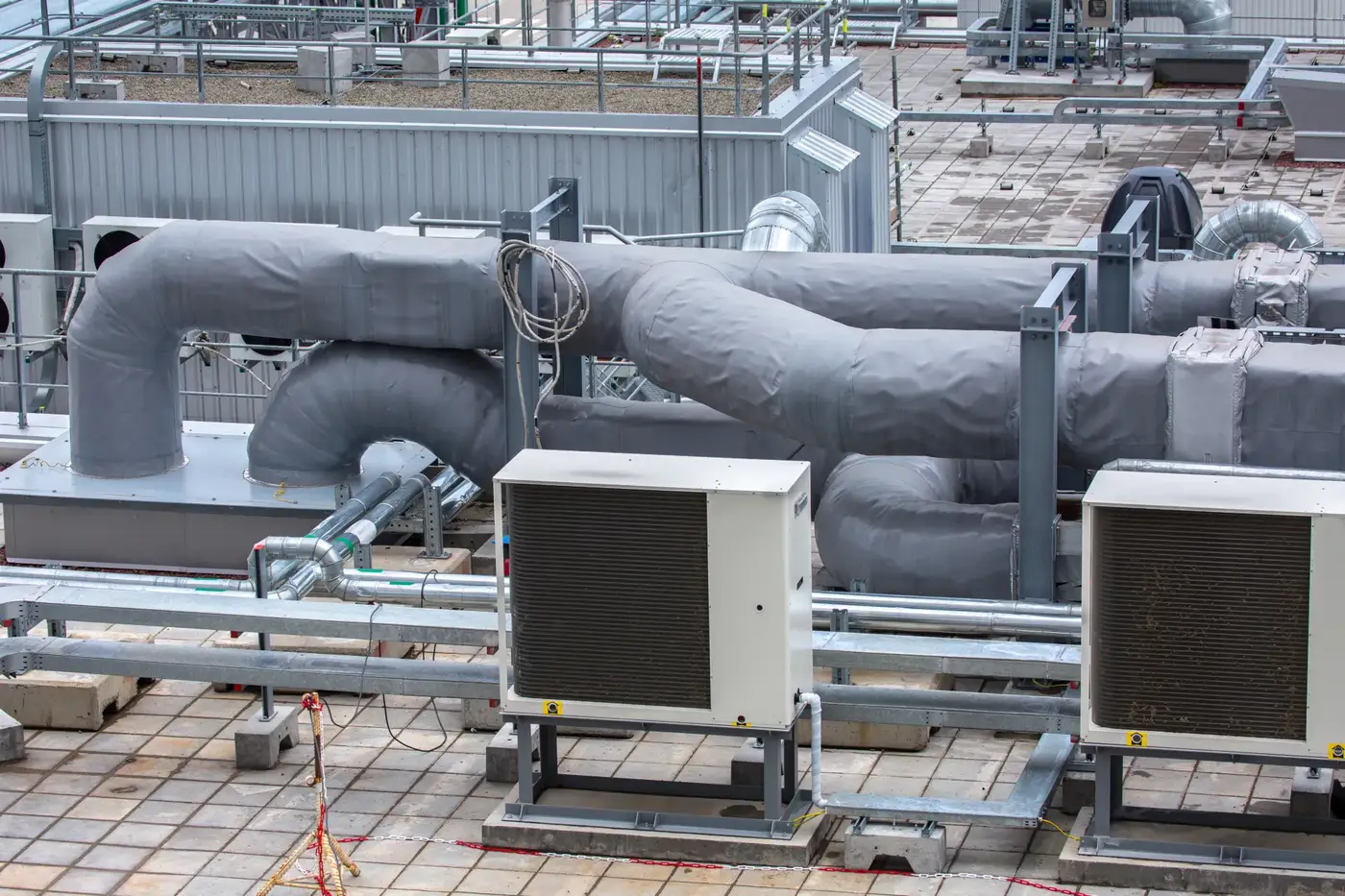
Emergency HVAC Services For Property Managers
24/7 emergency HVAC services and rapid response protocols to keep your property comfortable and tenants satisfied.
Published: January 13, 2026
Reading time: 10 minutes
When HVAC systems fail, property managers need immediate access to reliable emergency HVAC services property managers GTA trust. Understanding emergency HVAC service capabilities, establishing vendor relationships, and implementing rapid response protocols can significantly reduce tenant disruption and prevent property damage. This guide covers everything property managers need to know about emergency HVAC services and 24/7 response strategies.
What Constitutes an HVAC Emergency
Complete system failures represent true HVAC emergencies. When central heating or cooling plants fail entirely, building occupants face significant discomfort and potential health risks. During extreme weather, these failures become life-safety issues requiring immediate response. Complete failures affect multiple tenants or building zones and typically require major repairs or equipment replacement.
Life-safety incidents demand immediate emergency response regardless of time or conditions. Carbon monoxide detection, gas leaks, electrical burning smells, or smoke from HVAC equipment require immediate evacuation and emergency services involvement. These situations pose immediate threats to occupant safety and cannot wait for normal business hours.
Extreme weather failures escalate urgency dramatically. Heating failure during freezing conditions threatens building infrastructure with pipe bursts and water damage. Cooling failure during extreme heat creates tenant safety protection challenges for vulnerable occupants. Weather-related emergencies require accelerated response times and often necessitate temporary mitigation equipment.
Commercial impact situations affect business operations and tenant revenue. For retail properties, HVAC failure during peak shopping seasons significantly impacts sales. For office buildings, lack of cooling during summer reduces productivity. Restaurant properties without ventilation cannot safely operate. These situations justify emergency service calls based on business impact.
24/7 Emergency Service Availability
True 24/7 availability means technicians respond around the clock, every day of the year. 24/7 HVAC response commercial Toronto services maintain on-call technicians with live dispatch, not voicemail systems. Real people answer emergency calls 24 hours a day, 7 days a week, 365 days per year. Response times vary by service level agreement but should typically be 2-4 hours for comfort emergencies and under 1 hour for life-safety situations. Our emergency HVAC services page details our guaranteed response tiers and SLA options.
After-hours HVAC service commercial Toronto buildings require differs significantly from what normal business-hour repairs entail. After-hours service capabilities rely on specialized dispatch and truck stock. Emergency technicians carry different truck stock—more replacement parts, rental equipment connections, and diagnostic tools. They understand how to access locked buildings and equipment rooms. They carry proper identification and understand after-hours security protocols. These capabilities enable effective response when buildings are unoccupied.
Emergency service fees reflect the premium nature of after-hours response. Expect higher labor rates for nights and weekends, typically 1.5-2 times standard rates. Emergency trip charges apply even before work begins. Overtime rates for technicians working extended hours are common. However, these costs must be weighed against tenant disruption, property damage risks, and business impact.
Service level agreements with HVAC vendors can guarantee emergency response times and cap costs. SLAs specify maximum response times for different emergency categories, guaranteed technician qualifications, and predetermined pricing structures. These agreements provide certainty during emergencies and prevent price gouging during vulnerable situations. Negotiate SLAs with your primary HVAC vendors before emergencies occur.
Common Emergency HVAC Scenarios
Chiller failures typically occur during peak cooling demand when systems are under maximum stress. Common causes include refrigerant leaks, electrical component failures, and control system malfunctions. Emergency response involves identifying failure cause, implementing temporary cooling, and either repairing or replacing failed components. Large tonnage chillers may require rental units for extended repairs.
Boiler emergencies during heating season pose significant occupant safety and building protection risks. Boiler failures may result from ignition problems, circulator pump failures, or low water conditions. Emergency response includes diagnosing failure cause, implementing freeze prevention measures, and arranging temporary heating if needed. Gas-fired boilers require special safety precautions during troubleshooting.
Rooftop unit failures affect specific zones or tenants rather than entire buildings. Multiple RTU failures can compound into building-wide emergencies. Common RTU failures include compressor burnout, fan motor failures, and control board issues. Emergency repair typically involves component replacement. For older units, emergency replacement with temporary units may be faster than extensive repairs.
Cooling tower emergencies often result from pump failures, fan motor failures, or freeze protection issues during winter. Cooling tower problems typically force chiller shutdown, eliminating building cooling. Emergency response focuses on restoring tower operation quickly through component repair or replacement. During freezing weather, failed towers must be drained to prevent catastrophic freeze damage.
Vendor Coordination During Emergencies
Proper HVAC emergency contractor selection GTA property managers should complete before any emergency arises. Primary vendor relationships should be established before emergencies occur. Your primary HVAC vendor should understand your building systems, have equipment history, and maintain critical spare parts. They should have 24/7 emergency capability and after-hours access procedures. Pre-established relationships dramatically reduce response times and improve repair quality during emergencies.
Secondary vendor options provide backup when primary vendors are unavailable or overwhelmed. Maintain relationships with 2-3 qualified emergency HVAC vendors. Ensure secondary vendors have basic building information and equipment locations. Understand that secondary vendors may charge higher rates due to lack of existing relationship and building familiarity.
Specialized vendor contacts address specific emergency types beyond typical HVAC failures. Maintain contacts for refrigerant handling (for large chiller leaks), electrical contractors (for HVAC electrical issues), and mechanical contractors (for piping failures). HVAC controls specialists may be needed for control system emergencies. These relationships facilitate rapid specialist response when needed.
Equipment rental vendors provide temporary capacity during extended repairs. Establish relationships with rental companies that stock portable air conditioners, heaters, and even temporary boilers and chillers. Understand electrical requirements, connection procedures, and availability lead times. Pre-approved credit arrangements expedite rental during actual emergencies.
Tenant Communication During Emergencies
Immediate notification keeps tenants informed and reduces frustration. When emergency conditions are identified, notify affected tenants immediately via multiple channels—email, text alerts, and building signage. Explain the situation, what is being done, and expected resolution time. Even when resolution time is uncertain, communicate that the issue has been identified and is being addressed.
Regular updates maintain tenant confidence as situations evolve. Provide status updates every 2-4 hours during extended emergencies, or whenever significant new information becomes available. Update tenants on technician arrival, diagnosis findings, repair progress, and revised completion estimates. Over-communication is better than under-communication during stressful situations.
Expectation management prevents tenant dissatisfaction. Be realistic about resolution times rather than optimistic. Explain why certain repairs take time (parts ordering, specialized technicians, etc.). Provide context about emergency nature and after-hours challenges. When possible, offer temporary mitigation measures and explain their limitations.
Emergency HVAC repair condo buildings GTA managers handle best when follow-through matches the speed of initial response. Post-emergency follow-up demonstrates commitment to tenant satisfaction. After resolution, provide summary of what happened and corrective actions taken. Explain preventive measures implemented to prevent recurrence. Solicit tenant feedback on emergency handling. This follow-up builds trust and demonstrates professional management.
Documentation and Reporting
Emergency logs create permanent records of HVAC emergencies. Document date and time of problem identification, tenants affected, symptoms observed, and actions taken. Record vendor response times, technician names, diagnosis findings, and repairs performed. Include all costs incurred and communications with tenants. These logs support insurance claims and inform future prevention strategies.
Photographic documentation provides visual evidence of emergency conditions. Take photos of failed equipment, damage caused, and repair work in progress. Document temporary mitigation equipment deployed. Photos support insurance claims and provide reference for future emergency planning. Before-and-after photos demonstrate resolution effectiveness.
Vendor reports provide professional documentation of failures and repairs. Request written reports from emergency service providers detailing failure analysis, root causes, and recommendations for preventing recurrence. These reports support warranty claims and inform capital planning. Include vendor reports in your emergency logs and building maintenance records.
Insurance claim preparation benefits from thorough documentation. Many HVAC emergencies may be covered by property insurance depending on cause. Document all conditions immediately upon discovery. Save all receipts for emergency service, rental equipment, and temporary repairs. Provide written incident reports to insurance carriers promptly. Proper documentation maximizes claim recovery and minimizes out-of-pocket costs.
Emergency HVAC Service in the Greater Toronto Area
Property management companies operating condo towers and luxury high-rises across the GTA require emergency HVAC service providers who understand the unique demands of multi-unit residential buildings in Ontario's extreme climate. HVAC Touch provides TSSA-certified emergency response for GTA buildings, with technicians who carry WSIB coverage and maintain the specialized training required for high-rise mechanical room access, confined space entry, and working at heights on rooftop equipment. Our emergency response vehicles are stocked with common replacement parts for the fan coil units, boiler components, and chiller controls most frequently found in GTA condo buildings, including components for Carrier, Trane, York, Weil-McLain, and Cleaver-Brooks equipment.
GTA-specific emergency scenarios that property managers must prepare for include January cold snaps where sustained temperatures below minus twenty-five degrees Celsius can cause boiler plant overload and freeze damage to exposed piping in underground parking garages and loading dock areas, summer heat waves where chiller failures leave upper-floor suites at dangerous temperatures within hours, and ice storm events that damage rooftop condensing units and cooling tower structures.
HVAC Touch maintains emergency HVAC services agreements with property management companies across the GTA that guarantee response times, provide priority parts access, and include pre-planned temporary equipment deployment procedures for extended outage scenarios. When evaluating emergency HVAC service providers for GTA properties, property managers should verify that contractors hold valid TSSA certifications for refrigeration and gas-fired equipment, maintain current WSIB clearance certificates, carry adequate commercial general liability insurance with the condo corporation named as additional insured, and have demonstrated experience with the specific equipment installed in the building. Establishing these relationships before emergencies occur ensures that response is rapid, qualified, and fully compliant with Ontario regulatory requirements. Pairing emergency coverage with a solid preventive maintenance checklist program is the most effective strategy for reducing emergency frequency by up to 80%.
Preventing Future Emergencies
Preventive maintenance significantly reduces emergency frequency. Well-maintained equipment fails less frequently and provides warning signs before complete failure. Implement comprehensive preventive maintenance programs including regular inspections, filter changes, lubrication, and performance testing. Address minor issues before they become major emergencies.
Predictive maintenance strategies identify potential failures before they occur. Use HVAC controls system trend logs to track equipment performance. Monitor energy consumption for sudden changes indicating equipment problems. Implement vibration analysis for rotating equipment. These strategies provide early warning and allow scheduled repairs before emergency failures.
Equipment replacement planning prevents failures from aging equipment. Track equipment age, repair history, and performance trends. Proactively replace equipment approaching end of life rather than waiting for failures. Planned replacement costs less than emergency replacement and allows competitive bidding and proper scheduling.
Staff training enables early problem identification. Train building staff to recognize unusual HVAC sounds, smells, and performance issues. Ensure staff understands emergency notification procedures and initial response actions. Well-trained staff identify problems early and initiate appropriate response, minimizing emergency impact.
2-4 hours
Target emergency response time
1.5-2x
After-hours labor rate multiplier
80%
Emergencies preventable with maintenance
Key Takeaways
- Establish 24/7 emergency vendor relationships before HVAC emergencies occur
- Communicate early and often with tenants during emergency situations
- Document everything thoroughly for insurance claims and future prevention
- Invest in preventive maintenance to reduce emergency frequency by up to 80%
- Maintain secondary vendor options for backup when primary vendors are unavailable
Related Topics
Emergency HVAC Protocols for Property Managers
Step-by-step emergency response procedures and communication strategies.
HVAC Emergency Preparedness Plan
Creating comprehensive emergency plans and conducting drills.
HVAC Vendor Management for Property Managers
Vendor selection, SLAs, and performance management strategies.
Energy Audit Guide for Property Managers
Comprehensive energy assessment strategies for building optimization.
Need 24/7 Emergency HVAC Service?
Our emergency response team provides rapid, professional service around the clock to minimize disruption and protect your property.
Contact Emergency Team